Recycling and Sustainability at Gardeners Sudbury
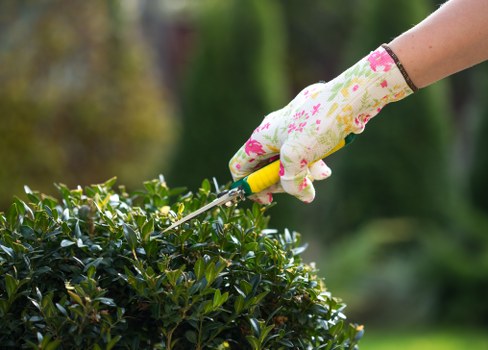 Gardeners Sudbury is committed to greener gardening practices that support cleaner streets, healthier soils, and a lower-impact way of caring for outdoor spaces. Our approach to recycling in garden maintenance is built around practical action: sorting waste carefully, reusing what can be repurposed, and diverting as much material as possible away from landfill. From hedge cuttings and grass clippings to old planters, broken canes, and seasonal debris, we aim to handle every task with an eye on sustainability. This matters locally because area boroughs increasingly encourage better waste separation and more responsible handling of green and mixed waste, especially where recyclable streams can be kept cleaner.
We work with a clear recycling percentage target to keep our environmental performance measurable. Our current goal is to recycle or compost at least 85% of the green waste and reusable materials generated through our work, with steady improvement year by year. In practice, this means prioritising composting for organic matter, separating metals and plastics where suitable, and ensuring surplus materials are directed to the right local facilities. For Gardeners Sudbury recycling efforts, every collection is treated as an opportunity to reduce contamination and improve recovery rates. Small steps, consistently applied, can make a significant difference across an entire season of work.
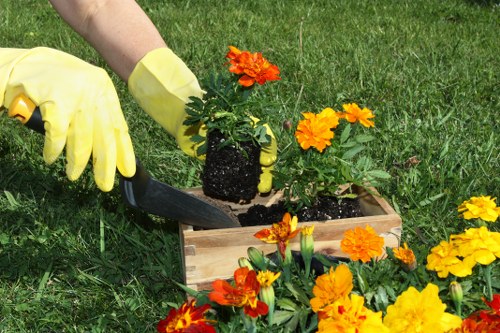 A key part of this commitment is using local transfer stations and licensed waste facilities that make sorting and processing more efficient. By routing materials through nearby transfer stations, we reduce unnecessary travel and support local recycling infrastructure. This helps with items that need different treatment streams, such as soil bags, broken terracotta, timber offcuts, plastic pots, and mixed garden residue. In many boroughs around Sudbury, waste separation is becoming more precise, with green waste, general waste, and dry recyclables handled through distinct channels. That approach aligns well with our own garden sustainability standards, allowing us to keep useful material out of the residual waste stream.
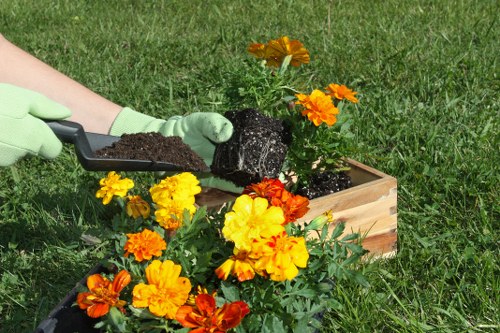 Our recycling and sustainability work also extends to partnerships with charities and community organisations. Where items still have life left in them, we look for ways to pass them on rather than discard them. Usable plant pots, hand tools, staging materials, and gardening containers may be redirected to charitable groups, community gardens, or donation partners that can make practical use of them. This kind of partnership reduces waste while supporting local initiatives that benefit residents, schools, allotments, and outreach projects. In a region where community-led environmental action is growing, these relationships help create a more circular approach to everyday garden work.
We also favour processes that keep garden waste recycling cleaner from the start. That includes separating woody cuttings from softer green waste, keeping invasive material isolated where required, and handling topsoil or rubble carefully so it does not contaminate compostable loads. Recycling gardens in Sudbury is not only about disposal; it is about making better decisions before waste is created. By planning work thoughtfully, we can reduce excess packaging, avoid unnecessary substitutions, and choose materials that are more readily reused or recycled when the job is complete.
Our low-carbon vans are another important part of the sustainability picture. The vehicles used for transport are selected to lower emissions wherever possible, helping to reduce the footprint associated with moving equipment and collected materials across the area. Efficient route planning, well-maintained vehicles, and careful loading all contribute to less fuel use and fewer unnecessary journeys. For a service that regularly moves between domestic gardens, shared spaces, and transfer points, using low-carbon vans supports our wider goal of making eco-friendly gardening services genuinely practical rather than merely aspirational.
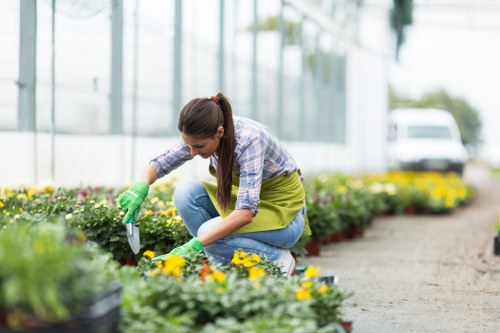 Sustainability in our work also means recognising how local recycling policies shape everyday decisions. Borough-level separation systems often expect different handling for food waste, garden waste, cardboard, metals, and plastics, and those habits influence how we manage materials on site. When working on pruning, clearance, or seasonal tidy-ups, we aim to sort efficiently so the right items reach the right stream. That can involve keeping recyclable containers clean, bundling wood for recovery, and ensuring compostable material is not mixed with non-organic refuse. These details matter because cleaner separation generally leads to better recovery outcomes.
As part of our broader commitment to garden recycling in Sudbury, we try to use materials for as long as possible before they become waste. Timber may be reused for temporary edging, untreated branches can be chipped for mulch, and healthy organic matter can be composted where suitable. We also pay attention to procurement, choosing durable tools and supplies that reduce replacement cycles over time. Every decision, from vehicle choice to waste sorting, plays a role in building a lower-carbon service.
 Looking ahead, Gardeners Sudbury will continue to improve its recycling percentage target, strengthen charity partnerships, and expand low-carbon transport where feasible. The aim is simple: deliver reliable outdoor care while respecting the environment that makes local gardens thrive. By combining responsible waste handling, community-minded reuse, and efficient logistics, our sustainability-focused gardening approach supports greener spaces today and a cleaner future for the wider area.