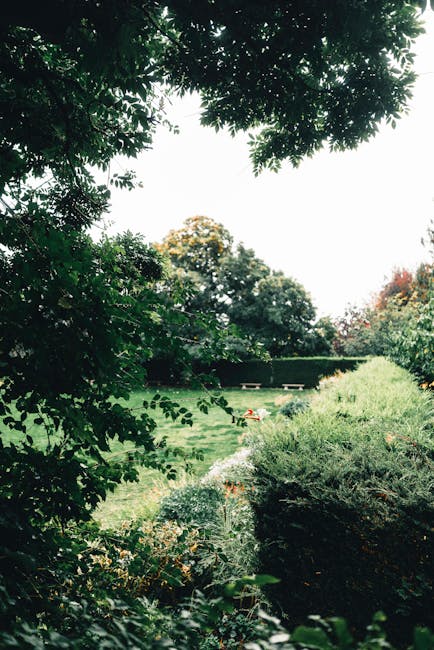
Local gardener services for Great Cornard and Sudbury: a practical guide to keeping your outdoor space in shape
If your garden has started to feel like a weekend chore rather than a place to relax, you are not alone. Local gardener services for Great Cornard and Sudbury can make a real difference, whether you need regular maintenance, a one-off tidy-up, or help turning an unruly patch into something you actually enjoy looking at. In this guide, we'll break down what local garden care typically includes, how the process works, what to expect, and how to choose the right support for your home. Simple, useful, and grounded in real-life garden jobs - not glossy nonsense.
Why Local gardener services for Great Cornard and Sudbury Matters
A well-kept garden does more than look nice from the window. It affects how you use your home, how much upkeep you can realistically stay on top of, and even how safe and welcoming outdoor areas feel through the seasons. In a place like Great Cornard or Sudbury, where gardens often deal with mixed soil conditions, breezy days, shade in awkward corners, and the usual UK cycle of damp, growth, and sudden weather changes, having reliable local help is genuinely valuable.
The biggest reason local support matters is timing. Grass does not wait politely. Hedges do not trim themselves. Weeds, if ignored for a month or two, can take over beds and paths in what feels like no time at all. A local gardener understands that rhythm and can work around it. You are not just paying for labour; you are paying for judgement. That is the bit people sometimes forget.
There is also the local knowledge side. A gardener working regularly in Great Cornard and Sudbury is likely to have a better sense of what survives well in exposed spots, what struggles in shaded plots, and which maintenance tasks become urgent after a wet spell or a cold snap. For example, if your border has become compacted and tired, a practical reset might include soil improvement, mulching, and selective replanting rather than a full redesign. That kind of call is easier when someone has seen plenty of local gardens before.
Expert takeaway: the value of a local gardener is not just speed. It is consistent care, local judgement, and the ability to stop small issues becoming expensive ones later.
How Local gardener services for Great Cornard and Sudbury Works
Most local gardener services begin with a discussion of what is actually needed. That sounds obvious, but it is where a lot of good jobs are won or lost. Some gardens need routine maintenance every few weeks. Others need a reset: clearing, cutting back, bed restoration, maybe a little reshaping. And some jobs are seasonal, like preparing for winter or catching up after the first strong spring growth.
A sensible process usually looks something like this:
- Initial enquiry - you explain the garden's condition, what is bothering you, and what you want the end result to feel like.
- Site visit or photo review - a local gardener may assess the space in person or ask for images first, especially if access is straightforward.
- Scope agreed - this is where the job is broken into practical tasks: mowing, hedge trimming, weeding, planting, clearing, pruning, and so on.
- Quote or estimate - depending on the work, this may be fixed, hourly, or based on regular visits.
- Work carried out - usually with tools suited to the season, property size, and level of overgrowth.
- Follow-up or maintenance plan - useful for gardens that need recurring attention rather than a one-off tidy.
For more involved outdoor work, a gardener may coordinate with related services. A tired lawn might need proper lawn care rather than repeated cutting. A garden with heavy overgrowth near boundary lines may need hedge trimming. If a space is being redesigned, landscaping support can make the layout more practical from the start.
And yes, the good operators tend to be honest about what they can and cannot improve in one visit. That honesty matters. A muddy, neglected border does not become a show garden overnight. Anyone promising that is probably overselling a bit.
Key Benefits and Practical Advantages
There are plenty of reasons homeowners choose local help instead of trying to do everything themselves. Some are obvious. Some only become obvious after the third rainy Saturday in a row.
- Regular upkeep without the stress - grass, weeds, hedges, and edging stay under control.
- Better curb appeal - especially useful if you are preparing to sell, rent, or simply want the house to feel more cared for.
- Healthier plants - correct pruning, feeding, and spacing reduce avoidable damage.
- Safer outdoor areas - paths, patios, and steps are less likely to become slippery or blocked.
- Seasonal resilience - a garden can be prepared for storms, frost, summer heat, or heavy leaf fall.
- More usable space - suddenly that corner becomes somewhere you can sit, grow herbs, or let the kids play.
There is also a quieter benefit: peace of mind. You know the garden will not slowly drift into chaos while you are busy with work, family, or, let's face it, just life. A tidy garden changes how you feel about the whole property. You notice it on the way in, and you notice it again when you step outside with a cup of tea in the morning.
If your aim is low-effort, low-drama maintenance, it can help to pair routine care with practical planning ideas from this guide to a budget-friendly, low-maintenance garden. It is a good reminder that the best gardens are often the ones designed to be lived with, not fought with.
Who This Is For and When It Makes Sense
Local garden support is useful for a wider range of people than many assume. You do not need a huge plot or a designer garden to benefit from it. In fact, smaller gardens can sometimes need more careful planning because every square metre counts.
This kind of service makes sense if you:
- struggle to keep on top of routine tasks
- have hedges, beds, or lawns that outgrow your available time
- want the garden to look better without committing to a full redesign
- have an outdoor space you do not know how to start improving
- need help before or after a property sale, tenancy change, or family event
- prefer reliable ongoing care rather than occasional DIY bursts
It is also sensible for households with children, pets, or older family members. Garden safety, clear walkways, and sensible planting choices matter more in those situations. A slippery patio, for example, can go from "slightly annoying" to "proper nuisance" very quickly. If that sounds familiar, you may want to look at patio cleaning as part of your broader maintenance plan.
One realistic scenario: a homeowner in Sudbury has a front garden that looks fine in April and messy by July. The hedge grows fast, the lawn gets patchy, and weeds appear in the borders after every wet week. A local gardener does not just cut things back; they create a repeatable maintenance rhythm. That is the difference between constantly chasing problems and staying ahead of them.
Step-by-Step Guidance
If you are considering local gardener services for Great Cornard and Sudbury, here is a sensible way to approach it without overcomplicating things.
- Walk the garden slowly
Make a note of what feels messy, unsafe, damaged, overgrown, or simply dull. A quick glance is not enough. Look at boundaries, beds, paths, the lawn, and those awkward corners people always forget about. - Decide your priority
Do you want the garden tidied, made easier to maintain, or completely reworked? The answer changes the job significantly. - Separate urgent from cosmetic work
For example, fallen branches and blocked paths come before decorative planting. A lot of people mix those up. - Ask about the service type
Is it one-off garden maintenance, ongoing visits, hedge trimming, lawn mowing, or a more involved landscaping project? - Discuss access and timing
Do gates need unlocking? Is parking awkward? Are there pets? These details save time and avoid hassle. - Agree what waste removal means
Not every job includes full green waste removal. Better to ask than assume. - Schedule follow-up care
Most gardens perform better with a plan, not a one-time rescue mission.
That last point is worth repeating. A garden is not a "fix once and forget" thing. It is seasonal, living, and just a bit cheeky about reappearing in a different state a few weeks later.
Expert Tips for Better Results
Good garden results usually come down to a few practical habits, not fancy tricks.
- Trim at the right time - hard pruning and hedge work are best approached with plant type and season in mind.
- Do not overcut lawns - cutting too low weakens grass, especially in dry spells.
- Leave room for air and light - crowded beds encourage disease and poor growth.
- Use mulch wisely - it helps with moisture retention and weed suppression, and it makes borders look tidier too.
- Plan for wind exposure - if your site is open, select stronger plants and secure taller features carefully. The post on using wind to your garden's advantage is useful here.
- Choose plants that suit the site - sun, shade, damp, drainage, and soil texture all matter more than most people expect.
A small but useful habit is keeping a short garden note on your phone. Nothing fancy. Just "bed by driveway needs weeding," or "rose bush cut back after flowering." Those little notes save time, especially when you are managing work, family, and everything else. Tiny admin, big payoff. Annoying, yes. Helpful, absolutely.
For softer planting solutions, ground covers can be a smart choice in tricky areas where bare soil keeps returning. You might find ideas in this ground cover guide, which is especially handy for reducing weeds and filling awkward spaces.
Common Mistakes to Avoid
Some garden problems are caused by neglect. Others are caused by enthusiasm. Truth be told, both can make a mess.
- Trying to do everything at once - big gardens usually need staged work, not one heroic day.
- Choosing appearance over practicality - a beautiful planting scheme that is hard to maintain is rarely a long-term win.
- Ignoring drainage issues - if water pools after rain, plants and paths will suffer.
- Cutting hedges too aggressively - this can leave gaps, stress plants, and create uneven regrowth.
- Using the wrong plant for shade or wind - this is a common reason gardens look tired fast.
- Skipping seasonal protection - tender plants may need winter care, and exposed areas often need extra attention.
Another common slip is asking for "just a tidy-up" when what you really need is a deeper reset. If a garden has years of accumulated growth, broken edges, and poor planting structure, it may need more than mowing and a quick sweep. That is where a broader service such as garden maintenance becomes more useful than a single task.
Tools, Resources and Recommendations
You do not need a shed full of gadgets to keep a garden in shape, but the right tools help. A good local gardener will typically bring equipment suited to the work: mowers, trimmers, hand tools, edging tools, pruning gear, and cleaning kit where needed. For the homeowner, a modest set of basics is often enough for day-to-day care.
| Task | Helpful tools | Why it matters |
|---|---|---|
| Lawn care | Mower, edging shears, rake | Creates a cleaner finish and reduces patchiness |
| Weeding | Hand fork, hoe, gloves | Makes removal easier without disturbing nearby roots |
| Hedge trimming | Hedge trimmer, loppers, secateurs | Supports even shaping and safer cutting |
| Soil improvement | Compost, mulch, fork | Improves structure and moisture retention |
| Border renewal | Spade, trowel, watering can | Helps with planting and positioning new material |
If you are thinking longer term, a few linked services can make maintenance much easier: lawn care for weaker grass, regular mowing for consistency, and professional hedge trimming for shape and control. For larger overhauls, landscaping is the natural next step.
Useful reading can also include seasonal advice. If your garden tends to take a beating in winter, winter protection strategies and weather-proofing tips are worth a look. They help you make practical decisions rather than guessing when the first frost arrives.
Law, Compliance, Standards, or Best Practice
Garden care is usually straightforward, but there are still sensible standards to follow. Good providers should work with clear communication, safe methods, and respectful handling of your property. If any work involves ladders, power tools, tree cutting, or heavy lifting, safety procedures matter. A professional approach should not feel dramatic; it should feel calm, organised, and careful.
For homeowners, the main best-practice points are simple:
- make sure access is clear before work starts
- remove fragile items from work zones where possible
- flag buried cables, uneven ground, or known hazards
- ask how waste will be handled
- confirm whether the work is one-off or ongoing
For more serious work around branches or larger trees, it is sensible to use a specialist service rather than treating it as standard tidying. That is where tree surgery support may be appropriate. Likewise, if boundary security or privacy is part of the brief, fencing work can be part of a broader outdoor improvement plan.
It is also smart to review practical business information before booking. Pages such as health and safety, insurance and safety, and terms and conditions help set clear expectations. Not glamorous, I know, but useful. Very useful.
Options, Methods, or Comparison Table
Not every garden needs the same level of help. The right option depends on how much time you have, how quickly the garden is declining, and what kind of result you want.
| Option | Best for | Strengths | Limitations |
|---|---|---|---|
| One-off tidy-up | Overgrown or neglected spaces | Fast visual improvement, good for reset jobs | Does not maintain long-term order on its own |
| Regular maintenance | Busy households and rental properties | Keeps things under control all year | Needs ongoing scheduling |
| Specialist task support | Hedges, lawns, patios, trees | Targets specific problem areas efficiently | May not cover the whole garden |
| Full redesign or landscaping | Spaces that feel impractical or dated | Improves layout, flow, and long-term usability | More planning and higher commitment |
In practice, many homeowners use a combination. For example: lawn mowing every few weeks, hedge trimming when needed, and a seasonal tidy-up before winter or spring. That mixed approach is often more cost-effective than trying to force the entire garden into one service model.
If your goal is to create visual impact as well as easier upkeep, a good plan may also include planting for privacy. The article on fast-growing hedges for privacy is a helpful complement to practical local garden care.
Case Study or Real-World Example
Here is a realistic example based on a common kind of job.
A homeowner in Great Cornard had a back garden that looked "fine from a distance" but was becoming hard to enjoy. The lawn was thin in places, the hedge line had grown uneven, weeds were returning around the patio, and the side passage felt cramped and gloomy. Nothing was broken, but everything felt slightly tired.
A local gardener started with the basics: clearing debris, cutting back overgrowth, and lifting the general shape of the space. Then came the more thoughtful work. The lawn was assessed for patchy areas and given attention through a better care routine. The borders were neatened. A couple of overcrowded plants were removed so the healthier ones could breathe. The hedge was trimmed to restore a clean line rather than a harsh, overcut shape.
The result was not a "new garden" in the magazine sense. It was better than that. It felt usable again. The family could sit out without seeing clutter in every direction. Watering took less time. The garden no longer made them feel guilty every time they looked at it through the kitchen window. Small change, big relief.
That is the quiet power of good local garden work. It gives you your space back.
Practical Checklist
Before booking local gardener services for Great Cornard and Sudbury, run through this checklist. It saves awkward back-and-forth later.
- Do I want a one-off job or ongoing maintenance?
- Which areas matter most: lawn, hedges, borders, patio, trees, fences?
- Is the main issue appearance, safety, plant health, or all three?
- Are there pets, children, or access issues the gardener should know about?
- Do I want waste removed or left for my own disposal?
- Have I checked whether the job needs specialist support?
- Have I reviewed the provider's safety and terms information?
- Do I know what success looks like after the first visit?
- Have I thought about how the garden will be maintained afterwards?
Quick summary: the best garden service is the one that matches the real condition of your space, not the one that sounds the fanciest. Keep it practical and you will usually get better results.
Conclusion
Local gardener services for Great Cornard and Sudbury are about more than a tidy lawn or a sharpened hedge line. They help you keep pace with the seasons, protect the health of your garden, and turn outdoor space into something usable again. Whether you need routine support or a larger refresh, the key is to choose work that fits your garden as it is now, not as you wish it behaved. That realism is what saves time, money, and a lot of frustration.
When done well, good garden care feels calm. The space looks clearer, works better, and stops nagging at you every time you open the back door. And honestly, that feeling is worth a lot.
Get a free quote today and see how much you can save.
Frequently Asked Questions
What do local gardener services in Great Cornard and Sudbury usually include?
They often include lawn mowing, hedge trimming, weeding, garden clearance, planting support, border tidying, and general maintenance. Some providers also handle patio cleaning, landscaping, fencing, and tree-related work where appropriate.
How often should I book a gardener?
It depends on the size and pace of growth in your garden. Many people choose fortnightly or monthly visits in the growing season, then reduce frequency during quieter months. Fast-growing hedges or larger lawns may need more regular attention.
Is a one-off garden tidy-up worth it?
Yes, especially if the garden has become overgrown or you are preparing for an event, sale, or seasonal change. A one-off tidy-up can make the space manageable again, then you can decide whether ongoing maintenance is needed.
Do local gardeners remove green waste?
Sometimes, but not always as standard. It is best to ask directly before booking. Waste removal can affect pricing and may change depending on the size of the job and the amount of material cut back.
Can a gardener help if my lawn is patchy or weak?
Yes. A gardener can assess whether the lawn needs feeding, better mowing practice, reseeding, scarifying, or a longer-term lawn care plan. Sometimes the issue is simple neglect; other times it needs a proper reset.
What is the difference between garden maintenance and landscaping?
Garden maintenance is about keeping an existing space in good condition. Landscaping is broader and usually involves changing the structure, layout, materials, or planting design of the garden.
How do I know if I need hedge trimming or tree surgery?
Hedge trimming is for managing hedges, shaping growth, and keeping boundaries neat. Tree surgery is more specialist and relates to the care, reduction, pruning, or safety management of trees. If you are unsure, ask for an assessment rather than guessing.
Are local gardeners suitable for small gardens too?
Absolutely. Small gardens can be just as demanding as large ones, sometimes more so because every section is visible and every issue stands out. A local gardener can help make a compact space feel cleaner, brighter, and easier to enjoy.
What should I ask before hiring a gardener?
Ask what is included, how waste is handled, whether the quote is fixed or hourly, what safety measures are used, and whether the work is one-off or ongoing. A clear answer usually tells you a lot about how organised the service is.
Can a gardener help make my garden lower maintenance?
Yes. This may involve simplifying borders, choosing tougher plants, improving mulch coverage, reshaping beds, and reducing high-maintenance features. The goal is not to strip the garden bare, just to make it more manageable.
What should I do before the gardener arrives?
Move fragile items, unlock access points, mention pets, and point out any problem areas that need special attention. A quick walk-through at the start of the visit helps avoid confusion later.
How can I get started with local gardener services in Great Cornard and Sudbury?
The easiest next step is to list your priorities and get in touch for an assessment or quote. If you want help turning your ideas into a practical plan, start with the contact page and take it from there.