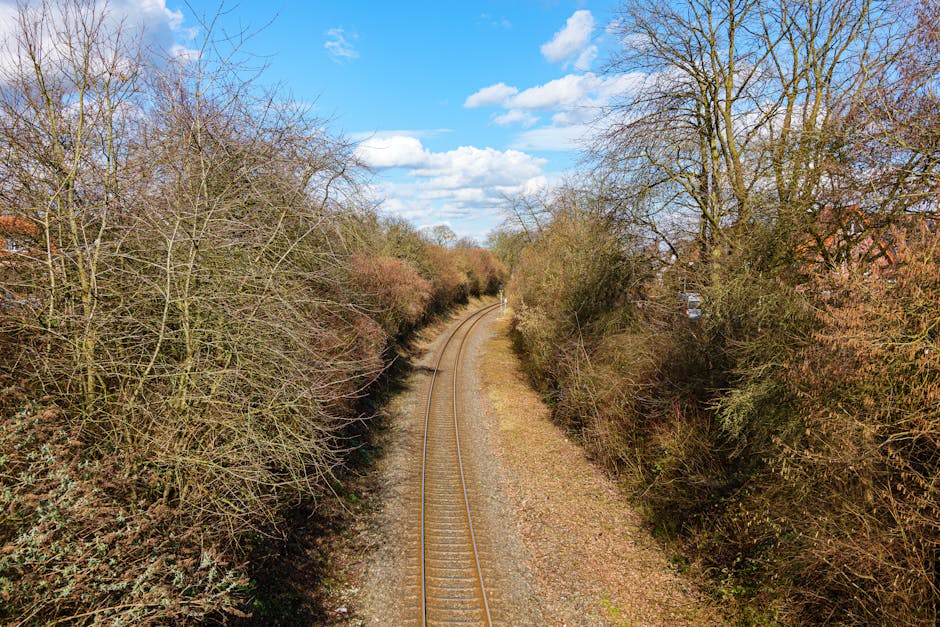
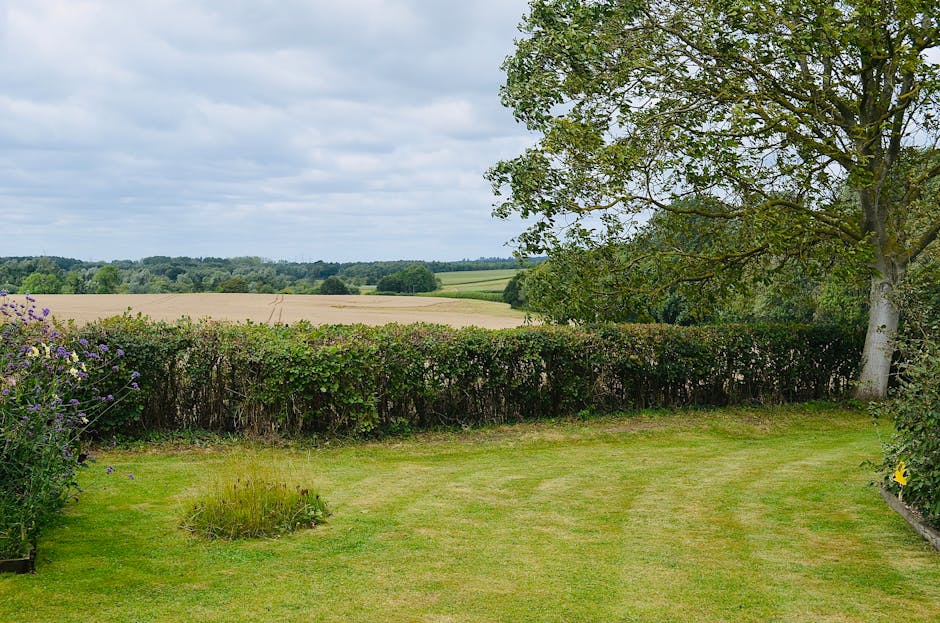
Garden maintenance near Sudbury Railway Station CO10: a practical local guide for tidy, healthy outdoor spaces
If you are looking into garden maintenance near Sudbury Railway Station CO10, chances are your garden has reached that familiar point where it needs more than a quick tidy. The lawn is starting to look patchy, the hedges have grown a bit too confidently, weeds are making themselves at home, and the whole space feels harder to enjoy than it should. That is exactly where a steady, well-planned maintenance routine helps. Not a dramatic makeover. Just proper, dependable care that keeps everything under control and looking lived-in, not neglected.
This guide explains what garden maintenance involves, how it works in a local Sudbury setting, what to expect from professional support, and how to make sensible decisions without overcomplicating things. Along the way, you will find practical tips, common pitfalls, and a few useful links to deeper resources if you want to explore specific parts of garden care in more detail.
Table of Contents
- Why garden maintenance near Sudbury Railway Station CO10 matters
- How garden maintenance near Sudbury Railway Station CO10 works
- Key benefits and practical advantages
- Who this is for and when it makes sense
- Step-by-step guidance
- Expert tips for better results
- Common mistakes to avoid
- Tools, resources and recommendations
- Law, compliance, standards, and best practice
- Options, methods, and comparison table
- Case study or real-world example
- Practical checklist
- Conclusion
- Frequently asked questions
Why Garden maintenance near Sudbury Railway Station CO10 Matters
A garden near a railway station area tends to experience a specific mix of pressures. There may be more footfall, more dust, occasional wind exposure, and less time for owners to keep on top of things day to day. Even if your property is a little further back from the station itself, the local rhythm matters. People come and go, schedules get busy, and gardens are often the first thing to slip when life gets hectic. To be fair, that is normal.
Garden maintenance is not only about appearance. It is about keeping plants healthy, limiting problems before they spread, and making your outdoor space usable through the seasons. A well-maintained garden also tends to be safer. Slippery patios, overgrown paths, and hidden debris can all become minor nuisances that turn into larger issues if ignored. A regular routine helps you stay ahead of that.
There is also the simple quality-of-life factor. A garden that has been properly cared for feels easier to step into. You notice it in the scent of cut grass, the crisp edges along a border, the absence of weeds pushing through paving. Small details, but they matter. They change how the whole place feels.
If your garden needs a broader refresh before maintenance can really begin, the early planning advice in first steps to renew your outdoor space can help you think clearly about priorities.
How Garden maintenance near Sudbury Railway Station CO10 Works
In practice, garden maintenance is a cycle rather than a single task. Most gardens need repeated attention to a handful of jobs: mowing, edging, weeding, pruning, hedge cutting, deadheading, leaf clearance, feeding, and seasonal cleanup. The exact mix depends on the garden's size, planting style, and how much time the owner can realistically give it.
A good maintenance visit normally starts with a quick assessment. What is growing well? What is straining? Which areas are cluttered or underperforming? From there, the work is prioritised. A mature shrub border may need selective pruning rather than a hard cut. A lawn might need mowing and scarifying attention rather than just a trim. A patio could need clearing and cleaning if moss or dirt has built up over time. The point is not to treat every garden the same. It is to work with what is actually there.
For many homes, the best outcome comes from a regular schedule. That may be weekly, fortnightly, or seasonal, depending on growth rate and budget. A small, low-maintenance garden may only need occasional attention, while a larger property with hedges, lawn, beds, and structures will usually benefit from more frequent care.
When people ask what makes the biggest difference, the answer is usually consistency. Small, repeated improvements beat one massive tidy-up every six months. Every time.
Typical maintenance tasks
- Mowing and edging lawns
- Weeding beds, borders, and paved areas
- Pruning shrubs and perennials where appropriate
- Hedge trimming and shaping
- Leaf clearing and general tidying
- Mulching and composting support
- Patio, path, and hard-surface cleaning
- Seasonal planting refreshes
- Checking for signs of pests, disease, or drought stress
If you are considering a more general support package, the service overview at garden maintenance gives a useful sense of the type of work often bundled together. For more varied support, you may also want to look at gardening services as a broader option.
Key Benefits and Practical Advantages
Good maintenance pays for itself in a few different ways. Some are obvious, others less so. The obvious one is appearance: a neat garden simply looks better. But the deeper benefits matter too.
- Healthier plants: pruning, feeding, watering, and weed control all reduce stress on your planting.
- Lower long-term repair costs: catching problems early is usually cheaper than fixing a neglected garden later.
- Better seasonal resilience: well-maintained gardens cope better with heavy rain, wind, frost, and dry spells.
- More usable space: clear paths, trimmed edges, and tidy borders make the garden genuinely enjoyable.
- Improved privacy and screening: hedges and climbers perform better when they are maintained properly.
There is also a quieter benefit: confidence. When the garden is in good shape, you are more likely to use it. You sit outside longer. You invite people round. You stop feeling like the space is something you should apologise for. That sounds small, but it is not.
For people interested in keeping costs manageable, the article on creating a budget-friendly, low-maintenance garden is a sensible companion read. It shows how the right plant choices and layout decisions reduce maintenance pressure from the start.
Who This Is For and When It Makes Sense
Garden maintenance near Sudbury Railway Station CO10 makes sense for a wide range of property owners. It is not just for big gardens or people with complex planting schemes. In fact, some of the most common clients are those with ordinary front and back gardens who simply do not have the time, tools, or energy to stay on top of every task.
This is especially useful if:
- you work long hours or travel regularly
- the garden has become too much to handle alone
- you are preparing a property for sale or letting
- you want outdoor space ready for family use
- you have hedges, lawns, or beds that need regular attention
- you have recently moved and inherited an overgrown garden
It can also suit landlords, older homeowners, busy families, or anyone recovering from a period where the garden simply had to wait. Truth be told, gardens are easy to underestimate until the weeds are waist-high and the hedge is doing its own thing.
If your garden feels like it needs a fuller reset before routine maintenance starts, the first steps to renew your space explains how to approach that calmly without wasting time or effort.
Step-by-Step Guidance
Here is a practical way to think about maintenance, whether you do some of it yourself or hand most of it to a professional.
- Start with a clear assessment. Walk the whole garden and note what needs attention first: lawn, weeds, hedges, borders, pruning, or hard surfaces.
- Remove obvious clutter. Fallen branches, pots, broken items, and leaf litter make everything else harder. Clear space first.
- Deal with weeds before they spread. Seed heads, roots, and creeping growth can quickly undo tidy work if ignored. A few focused sessions often beat endless spot-pulling.
- Cut back or shape growth selectively. Not everything should be trimmed hard. Some shrubs need light shaping, and some perennials benefit from deadheading rather than full pruning.
- Refresh the lawn. Mow at the right height for the season, edge neatly, and address moss, compacted patches, or bare areas where possible.
- Feed and mulch if needed. Compost or mulch helps the soil retain moisture and improves structure over time.
- Check watering needs. Newly planted areas and containers often need more attention than established beds.
- Finish with a final tidy. Sweep paths, wash down messy hard surfaces, and make the space pleasant to use straight away.
That last step is oddly satisfying. A clean finish changes the whole mood of the garden. You can almost hear the place breathe a little easier.
Why regular maintenance beats occasional rescue work
A regular routine keeps the job manageable. Let things slide, and you end up paying for labour to undo months of growth. Keep on top of it, and the work becomes lighter, faster, and much less stressful. That is usually the better deal, even if it feels less dramatic.
Expert Tips for Better Results
Here are the small, practical things that often make the biggest difference.
- Trim little and often. This is especially helpful for hedges and lawns. Waiting too long can make the work harder and the result less even.
- Match maintenance to the season. A garden in early spring does not need the same approach as one in late autumn.
- Use mulch around beds and shrubs. It helps suppress weeds and keeps soil moisture more stable.
- Choose plants that suit the site. Shade, wind, and soil type matter more than many people expect. Planting the wrong thing is a maintenance problem waiting to happen.
- Keep paths and edges visible. It sounds simple, but clear boundaries make a garden feel organised very quickly.
- Do not over-prune. A plant that has been hacked back badly often responds with weak, messy regrowth. Gentle, informed cuts are usually better.
For hedge work specifically, hedge trimming is worth considering as its own service if your borders or screening plants need careful shaping rather than casual snipping. The same goes for a more decorative approach, which is explored in artistic hedge trimming shapes.
And if your garden gets exposed to gusts or sits in a more open spot, the piece on working with wind in your garden has some genuinely useful ideas. Wind changes maintenance needs more than people realise.
Common Mistakes to Avoid
Most maintenance problems are not caused by one huge error. They are usually a chain of small misses. Here are the common ones.
- Letting weeds seed freely. Once they spread, they become far more time-consuming to deal with.
- Cutting hedges at the wrong time or too aggressively. That can affect shape, privacy, and plant health.
- Ignoring drainage or waterlogging. A garden can look tidy and still be struggling underneath.
- Using the wrong tools. Dull blades and poor equipment create rough finishes and extra strain.
- Trying to do everything at once. A messy garden benefits more from a planned sequence than a frantic half-day blitz.
- Forgetting seasonal jobs. Frost protection, leaf clearing, and winter prep matter more than many people expect.
One especially common issue is overcommitting to plants that demand more than the garden can realistically support. Lovely idea, terrible maintenance fit. Happens all the time.
If weeds are already a headache, the advice in top weed control techniques offers a clearer, more structured way to manage them without turning the job into a weekly battle.
Tools, Resources and Recommendations
You do not need a shed full of expensive equipment to keep a garden in good shape, but you do need the basics in good order. Sharp, clean, and comfortable tools make a noticeable difference.
- Hand tools: secateurs, loppers, trowel, hand fork, weeding knife
- Lawn tools: mower, edging tool, rake
- Cleaning tools: stiff broom, patio brush, bucket, hose or watering can
- Protection: gloves, sturdy footwear, and eye protection for tougher jobs
- Support materials: compost, mulch, ties, canes, and replacement plants where needed
If you like doing some tasks yourself, must-have tools for every outdoor fan is a practical place to compare what is actually useful versus what just looks impressive in a shed catalogue. We have all bought the wrong gadget at least once. No judgement.
For seasonal or structural work, a few related services can help keep the whole space looking coherent: lawn mowing, lawn care, patio cleaning, tree surgery, fencing, decking services, and landscaping. Not every garden needs all of them, of course, but they fit naturally into a wider maintenance plan when the time comes.
Law, Compliance, Standards, or Best Practice
For most homeowners, garden maintenance is straightforward and does not involve heavy compliance. Still, a professional service should work in a way that is careful, lawful, and respectful of neighbours and property boundaries. That usually means sensible scheduling, safe tool handling, and attention to access, waste removal, and site tidiness.
Where pruning, cutting back, or tree work is involved, it is wise to use a provider that understands safe working practices and risk awareness. If work involves ladders, power tools, larger branches, or awkward access, safety matters. The same goes for wet surfaces, hidden trip hazards, and working near structures or glass. Nothing glamorous there, but it is part of doing the job properly.
It is also sensible to review the service details on insurance and safety, especially if you are comparing providers or allowing work to be carried out while you are not at home. If you want to understand how a company approaches responsibility and customer care, health and safety policy, terms and conditions, payment and security, and privacy policy are all sensible pages to review. For service transparency, pricing and quotes can help set expectations before any work begins.
If you ever need to raise an issue, a clear complaints procedure is a sign that a business takes accountability seriously. Small detail, big reassurance.
Options, Methods, and Comparison Table
Choosing how to handle garden maintenance usually comes down to three practical approaches: doing everything yourself, splitting tasks between DIY and occasional help, or hiring a regular service. Each has a place.
| Approach | Best for | Pros | Trade-offs |
|---|---|---|---|
| DIY only | Small, simple gardens and hands-on owners | Low direct cost, full control | Time-heavy, easy to fall behind, equipment needed |
| Mixed approach | Busy households and medium-sized gardens | Flexible, cost-aware, good balance | Requires planning and clear task priorities |
| Regular professional maintenance | Large gardens, overgrown spaces, or owners who want consistency | Reliable, efficient, usually more polished finish | Higher ongoing spend than DIY |
If your main concern is presentation and consistency, regular maintenance is usually easiest. If your priority is budget control, a mixed approach can work very well, especially when paired with a few strategic improvements like low-maintenance planting or better weed suppression. If your garden is heavily overgrown, a one-off transformation followed by routine care often makes the most sense.
For planting that naturally lowers maintenance pressure, ground covers for the UK and swift-growing hedges for outdoor privacy are both worth a look.
Case Study or Real-World Example
Here is a realistic example from the sort of situation many local gardens find themselves in.
A homeowner near Sudbury Railway Station had a decent-sized rear garden that looked fine from a distance but felt increasingly hard to enjoy. The lawn had become uneven, weeds were spreading through the borders, one hedge had grown lopsided, and the patio had lost its clean, bright look after a wet season. Nothing dramatic. Just a garden that had slipped out of rhythm.
The first visit focused on clearing the obvious mess, taking back the hedge, removing weeds from borders and paving, and resetting the lawn edges. The second stage addressed what was causing the repeat problems: poor border definition, too many high-maintenance plants for the amount of time available, and a lack of seasonal routine. A few hardy ground covers were introduced, some planting was simplified, and the patio was cleaned properly. A small change, but it changed the feel of the whole garden.
After that, the maintenance became much easier. Less emergency tidying, more steady upkeep. The owner said the biggest difference was not just visual. It was emotional. The garden stopped feeling like a guilt project and started feeling like part of the home again. That is the real win, honestly.
If you are planning a broader refresh, the article on weather-proofing your garden against severe conditions may give you some useful next steps before the next seasonal shift arrives.
Practical Checklist
Use this as a quick run-through before booking work or starting a maintenance session yourself.
- Check lawn condition and mowing frequency
- Inspect hedges for uneven growth or overhang
- Look for weeds in borders, paths, and paving joints
- Review trees and shrubs for dead, damaged, or crossing branches
- Clear leaves, twigs, and debris
- Assess whether the patio or decking needs cleaning
- Confirm whether soil needs compost or mulch
- Make sure watering needs match the weather
- Note any areas that feel unsafe or difficult to access
- Decide whether you need a one-off tidy, seasonal refresh, or ongoing care
If the garden also needs child-friendly or pet-friendly considerations, these resources may help shape the plan: building a garden where children can explore and designing gardens that dogs will love.
Conclusion
Garden maintenance near Sudbury Railway Station CO10 is really about keeping a garden useful, welcoming, and under control before problems start to stack up. It is not just a cosmetic job. Done well, it supports plant health, improves safety, preserves privacy, and makes outdoor space feel worth using again. That is the whole point, really.
Whether you need help with lawns, hedges, weeding, seasonal tidy-ups, or a bigger reset before moving into regular care, the smartest route is usually the one that matches your garden's actual needs rather than a one-size-fits-all idea. Start with the basics, stay consistent, and don't wait for a small issue to become the whole weekend. Gardens reward steady attention. They really do.
If you are ready to discuss what your garden needs and want a practical next step, speak to the team via the contact page and outline what you would like looked after.
Get a free quote today and see how much you can save.
Frequently Asked Questions
What does garden maintenance near Sudbury Railway Station CO10 usually include?
It usually covers lawn mowing, edging, weeding, hedge trimming, pruning, leaf clearance, and general tidying. Some jobs also include patio cleaning, minor planting, and seasonal care. The exact mix depends on the garden and how much help you want.
How often should a garden be maintained?
That depends on the size, planting style, and time of year. Fast-growing gardens may need weekly or fortnightly attention in peak season, while smaller or low-maintenance gardens may only need seasonal visits. A regular schedule usually works best.
Is professional garden maintenance worth it for a small garden?
Yes, if time is tight or the garden has become difficult to manage. Even small gardens can become weedy or untidy surprisingly quickly. Professional help can keep the space neat without you having to spend every spare hour on it.
What is the difference between garden maintenance and gardening services?
Garden maintenance is usually the recurring care that keeps the space tidy and healthy. Gardening services can be broader and may include planting, hedge work, lawn care, landscaping, or one-off improvements. The terms overlap, but maintenance is the more regular part.
Can garden maintenance help with an overgrown garden?
Yes. A good maintenance plan can start with a clearance or reset, then move into regular upkeep. If the garden is badly overgrown, it may need a more intensive first visit before it becomes manageable again.
What should I do before booking a garden maintenance visit?
Walk the garden and make a short list of priorities. Note the worst areas, any access issues, and whether you want a one-off tidy or ongoing support. That makes the visit more efficient and helps avoid wasted time.
Do hedges need separate attention?
Often, yes. Hedges can grow quickly and may need careful trimming to keep shape, density, and privacy. If you have structured boundaries or mature screening, dedicated hedge care is usually a good idea.
What if my patio or decking is slippery or stained?
That is usually a maintenance issue rather than a separate problem. Dirt, algae, and leaf debris build up over time. A proper clean can improve appearance and reduce slipping risk, especially in damp weather.
Are there best practices for winter garden maintenance?
Yes. Winter work often focuses on leaf removal, protecting vulnerable plants, checking drainage, and avoiding unnecessary damage to soil or roots. Some plants benefit from extra shelter or mulch before colder weather sets in.
How do I know whether I need lawn care or just mowing?
If the lawn only needs cutting, mowing may be enough. If it has moss, bare patches, compaction, or weak colour, broader lawn care is more suitable. That can include feeding, aeration, overseeding, or treatment planning.
Can maintenance be tailored around pets or children?
Yes, and it should be. A family garden often needs safer surfaces, better layout choices, and planting that can cope with everyday use. Pet-friendly and child-friendly planning can reduce damage and make the garden easier to enjoy.
How do I get a quote for garden maintenance near Sudbury Railway Station CO10?
The simplest route is to explain the garden size, the main jobs you need, and whether you want one-off help or ongoing visits. A clear quote request usually gets you a more accurate answer. If you are ready to take that step, use the contact page and describe the work in plain terms.