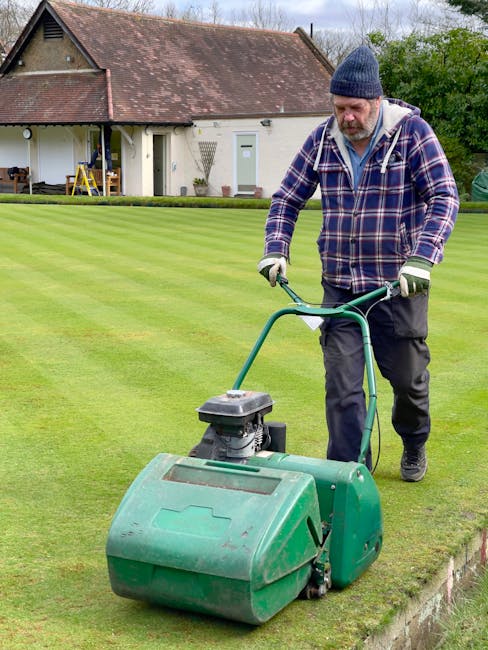
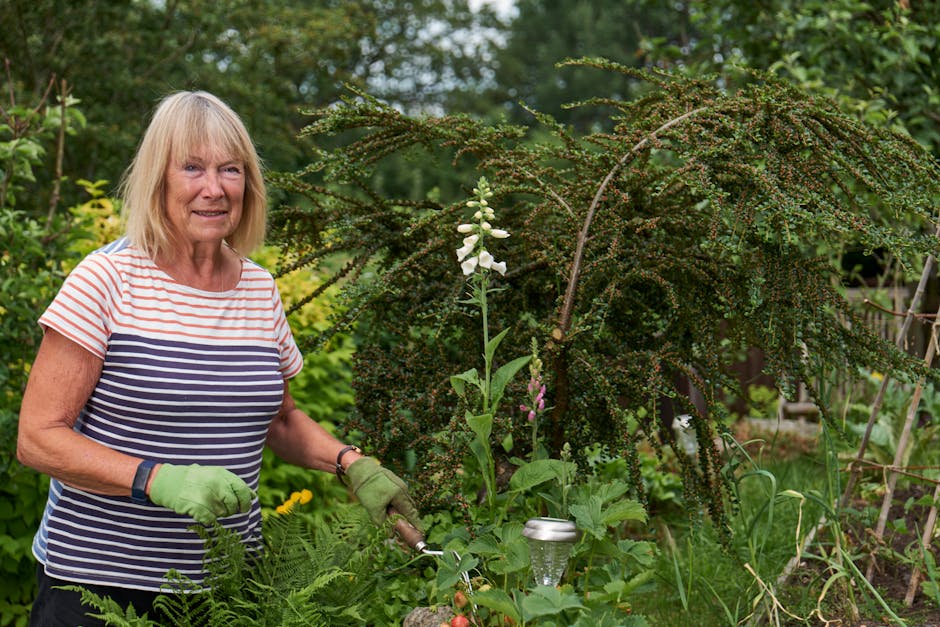
Gainsborough House garden care and volunteer gardeners Sudbury
Gainsborough House garden care and volunteer gardeners Sudbury is one of those topics that sounds simple at first, yet it touches a lot more than basic tidying and planting. A shared garden needs structure, steady care, and people who understand how outdoor spaces change through the seasons. Volunteer gardeners also bring something valuable that paid maintenance alone can miss: regular eyes, local knowledge, and a bit of heart. Truth be told, that combination can make a garden feel looked after rather than just "done".
In this guide, you'll learn what this kind of garden care usually involves, why it matters, how a volunteer-led approach can work well, and where it can go wrong if nobody sets clear expectations. We'll also cover practical steps, useful tools, best practice, and the small details that keep a place looking calm, healthy, and welcoming instead of patchy and overgrown.
Table of Contents
- Why Gainsborough House garden care and volunteer gardeners Sudbury Matters
- How Gainsborough House garden care and volunteer gardeners Sudbury Works
- Key Benefits and Practical Advantages
- Who This Is For and When It Makes Sense
- Step-by-Step Guidance
- Expert Tips for Better Results
- Common Mistakes to Avoid
- Tools, Resources and Recommendations
- Law, Compliance, Standards, or Best Practice
- Options, Methods, or Comparison Table
- Case Study or Real-World Example
- Practical Checklist
- Conclusion
- Frequently Asked Questions
Why Gainsborough House garden care and volunteer gardeners Sudbury Matters
A cared-for garden changes how people use a place. It affects whether someone pauses on a bench, whether a path feels inviting, and whether the whole site seems looked after. In a setting like Gainsborough House, that matters even more because gardens are not just decorative; they shape the atmosphere. They can be a quiet feature, a shared amenity, a habitat for pollinators, and a practical outdoor space that needs regular, sensible attention.
Volunteer gardeners matter because they often notice the little things. A plant that is struggling. Soil that has become compacted after rain. A border that needs mulching before weeds take over. Small issues, if left too long, become the kind of jobs that chew through time and money later. That is why a steady volunteer rhythm is so useful. It is not glamorous, but it is effective.
There is also a social side. Volunteer gardening encourages ownership. People are more likely to respect a space if they have helped care for it. That sounds obvious, but you really do see it in practice. A planting bed is less likely to be neglected when someone has spent a Saturday morning pruning it, deadheading it, and wondering whether the lavender will survive another wet week.
For Sudbury, local conditions also matter. British weather can be kind one minute and a bit rude the next. Heavy rain, dry spells, wind, and winter frost all shape what garden care needs to happen and when. A volunteer group that understands seasonal shifts can keep the site resilient, not just presentable.
Expert summary: The best volunteer-supported garden care is not about doing everything at once. It is about doing the right things regularly, with a simple plan, clear roles, and a realistic sense of what the space can handle.
How Gainsborough House garden care and volunteer gardeners Sudbury Works
Most successful volunteer gardening setups work in layers. There is usually a core schedule, a small set of priorities, and a way to hand tasks over without confusion. That sounds formal, but it can be very simple in practice.
Typical working pattern
- Assess the garden's condition. Identify what needs urgent attention, what can wait, and what needs specialist help.
- Set seasonal priorities. Spring might focus on planting and clearance, summer on watering and deadheading, autumn on leaf management and soil improvement, and winter on protection and structure.
- Allocate volunteer tasks. Divide work into practical jobs such as weeding, edging, compost turning, pruning, watering, and sweeping paths.
- Use a simple standard. Everyone should know what "finished" looks like for each task, even if the team is mixed in experience.
- Review after each session. A quick wrap-up helps the next visit go smoother and avoids the same forgotten corners every time.
This type of arrangement works especially well when volunteers are not expected to improvise endlessly. Creativity is lovely. But gardens also need consistency. A border trimmed half-heartedly one week and overcut the next can look worse than leaving it alone.
In our experience, the best volunteer groups are the ones that keep jobs visible and small enough to complete. A Saturday morning session is better used on three well-chosen jobs than on ten half-finished ones. That may sound a bit unromantic, but gardens like structure.
When more technical work appears, it can be set aside for professional input. For example, larger tree work, heavy lifting, or structural landscaping should not be forced into a volunteer session. If you need a more complete service framework, it can help to compare options through regular garden maintenance and broader gardening services so the volunteer effort supports, rather than replaces, the right level of care.
Key Benefits and Practical Advantages
Volunteer-led garden care brings a few benefits that are easy to underestimate at first. The obvious one is cost control. The less obvious one is continuity. A space that gets light attention often tends to stay healthier than one that receives a single big tidy-up every few months.
- Better garden health: Weeds, pests, and disease are easier to catch early.
- Lower long-term workload: Small, regular tasks prevent major overhauls later.
- Improved appearance: Neat edges, clean paths, and fresh planting make a place feel welcoming.
- Stronger community connection: People feel more invested in spaces they help maintain.
- More resilient planting: Beds, climbers, and lawns cope better when care is consistent.
- Better seasonal planning: Volunteers can work to a rhythm that matches the year instead of reacting in panic.
There is also a quiet psychological benefit. A well-kept garden changes how people move through a space. They slow down. They notice more. That can be especially valuable in a shared setting where the outdoor area is part of daily life rather than a showpiece.
If the project includes lawn edges, seating areas, or paved sections, you may notice how quickly these features influence the feel of the whole place. A tidy lawn can make the border plants look sharper. A clean patio can make even simple planting feel intentional. For supporting work, pages like lawn care and patio cleaning are useful references when you want the garden to feel properly finished.
Who This Is For and When It Makes Sense
This kind of garden care is a strong fit for places where outdoor space is shared, valued, and regularly seen by visitors, residents, staff, or the local community. It works best where there is a mix of routine maintenance and seasonal tasks, but not so much complexity that every job needs a specialist team.
It may make sense if you are responsible for:
- a community-facing garden or courtyard
- a landscaped area that benefits from light but regular attention
- a site where volunteers already help with upkeep
- a garden that feels underused and could become more welcoming
- a setting that wants to balance budget with good presentation
It also makes sense if you are trying to avoid the classic "it looked fine in April, then suddenly it was waist-high by July" problem. Let's face it, that happens a lot in the UK when no one owns the routine jobs.
Volunteer gardening is less suitable when a site has high-risk trees, significant drainage issues, failing hard landscaping, or complex planting that needs specialist attention. In those cases, volunteers can still help, but they should not be expected to carry the whole load. That is where a more structured service, or a professional assessment, becomes sensible.
If you are still shaping the overall plan, a gentle starting point is to explore the wider service picture through about us and pricing and quotes so you can match expectations to the scope of the garden.
Step-by-Step Guidance
If you are organising or supporting Gainsborough House garden care and volunteer gardeners Sudbury, the safest route is to keep the process simple. A tidy process produces a tidy garden. Funny how that works.
- Walk the site first. Look for weeds, damaged plants, blocked drains, slippery surfaces, broken edging, and anything that may cause a trip or fall.
- Map the garden into zones. Beds, lawns, paths, seating areas, entrances, and shaded spots should each have a clear purpose.
- Choose priority jobs. Start with jobs that protect plant health and site safety, such as weeding, pruning, sweeping, and watering.
- Match the work to the season. Spring is for renewal, summer for maintenance, autumn for tidying and soil care, winter for protection and structure.
- Use the right tools. Good tools save time and reduce strain. Dull secateurs and blunt spades make everything harder.
- Set a finish standard. Volunteers should know when a bed is clean, when a hedge is cut evenly, and when a border is ready for the next stage.
- Record what changed. A short note or photo after each session is enough. It helps with continuity.
- Review what is not working. If one area keeps becoming overgrown, the plan needs adjusting rather than more wishing.
A useful example is a shaded border that keeps getting messy. Rather than repeatedly battling the same weeds, you could improve the soil, plant a stronger ground layer, and reduce open patches. That is where practical planting advice such as versatile ground covers for UK gardens can be genuinely helpful.
If the site has awkward corners or fences that collect shade, climbing plants can bring life without demanding large beds. A linked approach to planting, path care, and surface cleaning often gives the biggest visible improvement for the least drama.
Expert Tips for Better Results
Here is the part that usually separates a decent volunteer garden from a really good one: anticipation. The best teams do not just react to what is ugly today. They think about what will become ugly in four weeks.
- Mulch early, not late. Once weeds are established, you are already playing catch-up.
- Prune with purpose. Don't just trim because a plant looks "a bit much". Know the shape you want.
- Keep pathways clear. Clean access points instantly improve the whole site.
- Protect the weak spots. Newly planted borders and exposed pots need extra attention during dry or windy spells.
- Use compost well. Good compost improves soil structure, moisture retention, and plant vigour.
- Make shade work for you. Shaded areas can look rich and calm with the right climbers, ground cover, or container planting.
For composting support, it is worth understanding how organic waste can be turned into something useful rather than discarded. A well-managed compost heap is not just eco-friendly; it is practical. If you want a deeper look at that side of garden care, the guide on turning organic waste into compost is a useful companion read.
One more thing. Volunteers often want to help with the "nice" jobs first, like planting. Fair enough. But the best garden results usually come from the less exciting jobs: edging, weed control, watering, clearing debris, and checking plant health. Not glamorous, but effective. Very effective.
Common Mistakes to Avoid
Volunteer gardening can go off-track in predictable ways. The good news is that most issues are easy to avoid once you know them.
- Trying to do everything in one visit. That usually leads to patchy results and tired volunteers.
- Leaving nobody accountable. If every job belongs to everyone, it often belongs to no one.
- Over-pruning shrubs and hedges. A hard cut can damage shape and health.
- Ignoring soil condition. Plants struggle if the soil is compacted or low in nutrients.
- Forgetting seasonal protection. Frost, wind, and heavy rain can undo a lot of effort quickly.
- Using the wrong plants for the light levels. A shady area planted like a sunny border will disappoint. Every time.
- Skipping regular weed control. Once weeds seed, the workload jumps.
Another subtle mistake is making the garden too busy. A space can become cluttered with too many pots, mismatched plants, or half-finished features. For some areas, simplicity is a better plan. If you want ideas that keep a site attractive without creating extra work, low-maintenance garden ideas is a good place to start.
And if the issue is not planting but structure, then hedges, screens, and fences need proper handling. Bad hedge trimming looks untidy fast, and poor boundary care can make a whole garden feel off-kilter. Small errors. Big visual impact.
Tools, Resources and Recommendations
You do not need a shed full of specialist gear to manage a shared garden well. You do, however, need the right basics and a sensible way to store them. A few solid tools are better than a dozen random ones that wobble, rust, or vanish when needed.
Useful tools for volunteer gardening
- gloves with good grip
- hand trowels and border forks
- secateurs and loppers
- spades and forks
- watering cans or hoses
- rakes and brooms
- wheelbarrows or trugs
- weed pullers and edging tools
- compost bins or collection containers
For people starting out, a broad overview of essential kit can be surprisingly helpful. The guide to must-have gardening tools is a straightforward way to avoid overspending on the wrong items.
Resources that help the most are usually the practical ones: a garden calendar, a simple job rota, a basic site map, and a seasonal notes sheet. Nothing fancy. Just enough structure to stop everyone asking the same question every session.
Where planting needs a lift, a few focused references can also help. For example, container displays can solve awkward corners, herbs can make a small edible area feel purposeful, and evergreen climbers can soften shaded walls. A couple of useful starting points are container gardening basics, lively herb garden ideas, and evergreen climbers for shade.
Law, Compliance, Standards, or Best Practice
For a volunteer-supported garden, the main legal and best-practice concerns are usually safety, access, plant handling, and responsibility. You do not need to turn a pleasant outdoor project into a legal headache, but you do need basic care.
Good practice usually means:
- checking that paths and working areas are safe before work begins
- using gloves and sensible footwear
- keeping tools in usable condition
- not asking volunteers to do jobs beyond their experience
- isolating hazardous tasks for trained staff or contractors
- keeping a simple incident log if anything goes wrong
If tools are being shared, cleaning and storing them properly is part of good hygiene and good judgement. That matters more than people think, especially if the site sees frequent use. It also helps to have a clear process for risk awareness, which is why pages such as insurance and safety and health and safety policy are worth reviewing when setting expectations.
Accessibility is another practical consideration. A garden that is beautiful but hard to move through is only partly successful. Wider paths, stable surfaces, and clear access points make the space more usable for everyone. That is not a luxury; it is just good design.
Finally, volunteer groups should have a clear way to raise concerns. If somebody notices unsafe edging, damaged timber, or poor drainage, it should be easy to report and act on. Small response systems save bigger problems later. Quietly, they really do.
Options, Methods, or Comparison Table
There is no single "best" way to care for a garden like this. The right method depends on the garden size, how often it is used, and how much volunteer support is available. Here is a simple comparison that may help.
| Approach | Best for | Strengths | Limitations |
|---|---|---|---|
| Volunteer-led maintenance | Regular light to moderate upkeep | Cost-effective, community-focused, flexible | Needs coordination, training, and consistency |
| Professional maintenance support | Heavier or more technical tasks | Reliable standards, specialist handling, faster turnaround | Higher cost, may be less hands-on for the community |
| Hybrid model | Most shared or public-facing gardens | Balances ownership and expertise, scalable through the seasons | Needs clear task boundaries and good communication |
For many sites, the hybrid model is the sweet spot. Volunteers manage routine care and visible upkeep, while specialists step in for hedge reductions, tree work, lawn restoration, or hard landscaping. That keeps the garden in better shape and protects people from doing jobs they should not be doing in the first place.
If that sounds like your situation, service pages such as hedge trimming, tree surgery, and landscaping can help you decide what should stay with volunteers and what should be handed over.
Case Study or Real-World Example
Here is a realistic example. Imagine a shared courtyard-style garden with a few mature shrubs, a lawn strip, some raised beds, and a seating area that people actually use in spring and summer. At the start of the season, the borders are weedy, the shrubs are uneven, and the path edges are scruffy. Nothing dramatic, just tired.
A volunteer group begins with a simple plan: clear weeds, prune lightly, refresh mulch, tidy the lawn edges, and clean the seating area. They do not try to redesign the whole space. They also split the work so nobody spends two hours doing something they dislike. One person handles tools, another does weeding, two people work on borders, and someone else sweeps the hard surfaces. Very ordinary. Very effective.
By the third session, the place feels different. The borders are easier to maintain because the weed pressure is lower. The seating area feels more inviting because the hard surfaces are clean. The plants look healthier because they are not competing as hard. And perhaps most importantly, people begin noticing the garden again.
That sort of change is often what matters most. Not a dramatic overhaul, but a steady improvement that makes the space feel cared for. If the project later needs a bigger refresh, a sensible first step is to look at the first steps to renew your space before rushing into any major changes.
Practical Checklist
Use this checklist before and during a volunteer garden session. It keeps the work grounded and helps prevent the usual "we'll just sort that later" problem. Later has a habit of becoming never.
- Walk the garden first and note safety concerns.
- Confirm the day's priorities before tools come out.
- Check weather conditions and adjust work if wind, rain, or frost is an issue.
- Make sure tools are clean and safe to use.
- Assign tasks clearly so there is no overlap or confusion.
- Focus on high-impact jobs such as weeding, edging, pruning, watering, and sweeping.
- Protect delicate plants with suitable seasonal care.
- Clear away waste properly and compost what is appropriate.
- Review the results and jot down any follow-up actions.
- Store tools securely for the next session.
If the site is exposed to wind or winter weather, it can help to build those risks into the schedule rather than reacting after the damage has happened. Good timing saves a lot of frustration. It also saves a lot of plant replacements, which nobody enjoys paying for twice.
Conclusion
Gainsborough House garden care and volunteer gardeners Sudbury works best when it is treated as an ongoing partnership between people, place, and season. The garden does not need perfect attention every day. It needs reliable attention, sensible planning, and a willingness to notice what the space is telling you.
That might mean regular weeding, timely pruning, a better compost routine, or simply cleaning paths before they start to look forgotten. It might mean getting help for the jobs that are too big or too technical for volunteers alone. Either way, the aim is the same: a garden that feels alive, cared for, and easy to enjoy.
When a shared garden is well managed, it shows. Not in a showy way. In a steady, reassuring way. And that is usually the best kind.
Get a free quote today and see how much you can save.
If you are planning next steps, start with a clear walk-through, a realistic task list, and a simple seasonal plan. Then let the garden breathe a bit. You will notice the difference, often sooner than expected.
Frequently Asked Questions
What does Gainsborough House garden care and volunteer gardeners Sudbury usually include?
It usually includes routine tasks such as weeding, watering, pruning, deadheading, sweeping paths, checking plant health, and keeping shared areas presentable. The exact mix depends on the garden layout and how much volunteer help is available.
Is volunteer gardening enough on its own?
Sometimes yes, but not always. Volunteer gardening works well for regular upkeep and visible tidiness, yet more technical work like tree management, major hedge reductions, or landscaping often needs professional input.
How often should a shared garden be maintained?
There is no fixed rule, but most shared gardens do better with small, regular visits rather than rare big clear-ups. Weekly or fortnightly attention during the growing season is often more effective than occasional large sessions.
What are the biggest problems in volunteer garden care?
The main issues are unclear responsibility, overambitious plans, poor tool care, missed seasonal tasks, and a lack of follow-up. Gardens usually decline when everyone assumes someone else will sort it out.
How do you keep volunteer gardeners motivated?
Keep tasks realistic, avoid endless repetition, show visible progress, and make sure people can see the difference their work has made. A garden that improves quickly is genuinely encouraging.
What tools are most useful for volunteer gardening?
Good gloves, secateurs, spades, forks, rakes, watering cans, brooms, and wheelbarrows cover most of the basics. Clean storage and routine checks matter just as much as the tools themselves.
Can volunteer gardeners handle hedge trimming and shrubs?
Light shaping and basic tidying can often be managed safely, but larger hedge work or anything involving height, heavy cutting, or awkward equipment should be approached carefully and only if the team is properly prepared.
How do you manage a garden in windy or wet weather?
Wind and heavy rain can change what is safe and practical on the day. It is usually better to switch to lighter tasks, delay delicate work, or focus on inspection, tidying, and debris removal when the weather is poor.
What should be done with garden waste after volunteer sessions?
Waste should be sorted sensibly, with suitable green waste composted where possible and the rest cleared away according to the site's waste arrangement. Composting is often a practical way to turn routine waste into future soil improvement.
How can a garden stay attractive on a low budget?
Focus on maintenance first, then add low-cost improvements such as mulch, compost, ground cover, containers, and seasonal planting. Regular upkeep almost always gives better value than repeated patch repairs.
Are there safety considerations for volunteer gardeners?
Yes. Volunteers should use safe footwear, appropriate gloves, and well-maintained tools. Hazardous tasks, unstable trees, or heavy lifting should be handled with care and, when needed, by trained professionals.
Where should I start if the garden needs a fresh plan?
Begin with a simple site assessment: what is healthy, what is overgrown, what is unsafe, and what is causing the most visual drag. From there, choose the few changes that will make the biggest difference first.