Access problems for small gardens and how gardeners help Sudbury
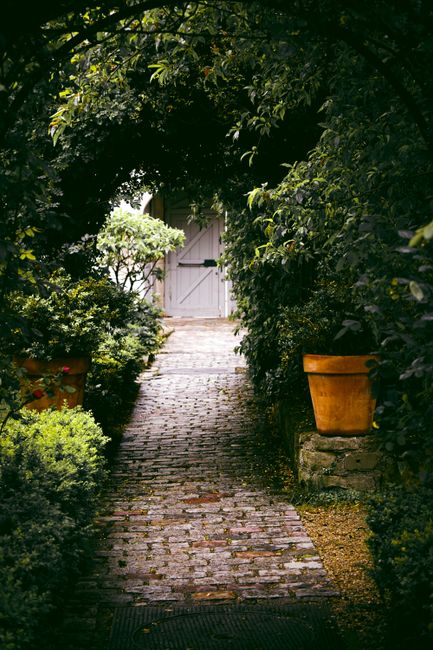
Small gardens can be charming, but let's be honest, they can also be awkward. A narrow side gate, a tight path, a hidden step, or a courtyard that only allows wheelbarrow access through the house can turn a simple tidy-up into a proper logistical puzzle. If you are dealing with access problems for small gardens and how gardeners help Sudbury, you are not alone. In many compact outdoor spaces, the work is less about having enough garden and more about getting people, tools, waste, and materials in and out safely without causing damage or stress.
This guide explains the access issues that show up most often, how professional gardeners approach them, and what a sensible plan looks like in a Sudbury garden. You will also find practical checklists, common mistakes, and a simple comparison of methods so you can judge what suits your space. Nothing fancy. Just the kind of clear advice that makes a small garden feel manageable again.
Why access problems for small gardens and how gardeners help Sudbury Matters
Access is one of those things people often forget until the moment a job starts. In a small garden, it can be the main factor that decides whether a project feels smooth or wildly inconvenient. If a gardener cannot easily bring in materials, move waste out, or work without squeezing past a wall, fence, or delicate planting bed, the job takes longer and the risk of accidental damage goes up.
That matters for several reasons. First, small spaces tend to be more intensively used, so every inch counts. Second, access problems can affect the type of work that is realistic. A full landscape overhaul might be possible, but it may need a different approach than the one used in an open-fronted garden. Third, poor access often increases the likelihood of trampling, broken paving edges, scratched doors, or plants getting crushed before they have had a chance to settle. Not ideal.
For many Sudbury homes, the outdoor space is not huge, and the routes into it are narrow or indirect. Sometimes the only way in is through the house, which immediately changes how the work is planned. A careful gardener will think about protection, sequencing, waste management, and whether a lighter-touch method is better than a heavy one. That sort of judgement is what saves time and, quite frankly, avoids a lot of hassle.
If you are already dealing with overgrown edges, blocked pathways, or a garden that feels hard to move around in, related services such as regular garden maintenance or practical landscaping support can be especially useful because they help reset a space before it becomes more difficult to work in.
Key takeaway: in small gardens, access is not a side issue. It shapes the whole job, from planning and pricing to speed, safety, and the final finish.
How access problems for small gardens and how gardeners help Sudbury Works
The process usually starts with a look at how the garden is actually reached. A good gardener checks gate width, step heights, path surfaces, side passages, turning space, and whether tools can be carried by hand or need to be broken down into smaller loads. That sounds obvious, but in practice it changes everything.
Here is how the work often unfolds in a compact Sudbury garden:
- Initial assessment: The gardener identifies access pinch points, overhead obstacles, storage space, and where materials can be safely stacked.
- Job planning: Tasks are arranged so the messiest or heaviest work happens first, before the site becomes crowded.
- Protection: Paths, doors, lawns, and nearby fixtures are covered or shielded where needed to reduce wear and tear.
- Transport strategy: Materials may be brought in smaller quantities, with rubble, soil, or cuttings removed in manageable loads rather than in one go.
- Tool selection: Compact, lightweight tools are often better than bulky equipment in tight gardens.
- Finish and tidy: Final clearance matters more in small gardens because clutter makes the space feel even smaller.
Sometimes the answer is not about forcing larger work through a narrow space. It is about adjusting the method. For example, a gardener may use container planting, modular features, or lightweight materials instead of trying to manoeuvre large features through a tight side return. A small adjustment like that can make the whole project possible.
It also helps to think seasonally. Wet weather can make access even harder because muddy feet, slippery paving, and soggy waste bags create their own little parade of problems. If your garden gets exposed to wind and rain, a look at weather-proofing for severe conditions can help you understand why timing and surface protection matter so much.
In practice, gardeners help by seeing the garden as a working site, not just a planting space. That mindset makes a huge difference. A narrow garden can still be transformed, but only if the access plan is realistic from the start.
Key Benefits and Practical Advantages
Dealing properly with access problems brings benefits that go beyond convenience. For many homeowners, the biggest change is that the garden becomes usable again. You can move through it without side-stepping tools or dodging piles of debris. That may sound minor, but in a small space it is everything.
- Less damage: Careful access planning reduces broken paving, crushed borders, and scuffed walls.
- Faster completion: When the route is thought through, the team spends less time improvising.
- Better finish: A cleaner workflow usually means a cleaner final look.
- Safer working conditions: Fewer awkward lifts and fewer trips through tight gaps reduce the chance of accidents.
- More suitable designs: Small-garden-friendly features such as containers, climbers, and compact seating are easier to install.
- Lower stress for the homeowner: You are not left wondering whether the whole place will be dragged through the house, so to speak.
There is also a long-term gain. Once access has been improved, future maintenance tends to be easier and cheaper. A path that is widened slightly, a gate that opens smoothly, or a planting layout that avoids bottlenecks can save you repeated frustration. If you are trying to keep the garden manageable, a low-fuss approach like the one discussed in simple steps to a budget-friendly, low-maintenance garden often pairs well with access-focused planning.
Useful observation: small gardens do not only need less work; they need smarter work.
Who This Is For and When It Makes Sense
This kind of help is ideal for anyone whose garden is small, enclosed, or difficult to reach. That includes terraced homes, flats with courtyards, narrow side-return gardens, and older properties where the original layout was never designed for modern tools or larger materials.
It also makes sense if any of the following sound familiar:
- You can only access the garden through the house.
- The gate is too narrow for standard garden equipment.
- There is little room to store cuttings, soil, or replacement materials while work is underway.
- Steps, tight corners, or uneven ground make movement awkward.
- Overgrown plants are already narrowing the route through the garden.
- You want a redesign but worry that the site is simply too difficult to work on.
It is also relevant if you have pets, children, or mobility concerns. A small garden that is difficult to navigate can become unsafe very quickly, especially when tools or waste are left in the wrong place for even a short time. If your aim is to create a family-friendly garden, the planning needs to account for movement as much as beauty. The same goes for households thinking about gardens that suit dogs or creating a secure space for little ones through child-friendly garden design.
Truth be told, access help is not just for big renovations. Sometimes it is the difference between leaving the garden as-is and finally getting it sorted.
Step-by-Step Guidance
If you want to approach a small, hard-to-reach garden properly, it helps to break the job into clear stages. No drama, just sequence.
- Map the entry route. Measure the gate, check for overhead obstructions, and note any steps or narrow turns.
- List the likely materials. Soil, timber, paving, plants, waste bags, compost, edging, fixings. Each one affects access differently.
- Decide what can be carried by hand. In many small gardens, hand-carrying is safer than trying to manoeuvre wheeled equipment through a tight route.
- Protect the route. Cover floors indoors if the garden is reached via the house, and use temporary protection on delicate surfaces outside.
- Remove obstacles first. Before any creative work starts, clear the obvious bottlenecks: broken pots, old furniture, overgrown stems, loose debris.
- Work from the back forward. This avoids trapping yourself in a corner and keeps the exit clear.
- Choose compact solutions. Think containers, climbers, narrow beds, vertical features, and lightweight finishes.
- Check the final circulation. Ask: can you still walk through the space comfortably after the work is done?
One detail many people overlook is waste removal. In a compact garden, green waste can pile up much faster than expected. Chopping, bagging, and staging waste as you go prevents the place from turning into a temporary jungle. If the garden is also cluttered or full of old debris, a phased reset inspired by first steps to renew your space can be the most practical starting point.
And if you are not sure whether the access constraints are too much for a DIY approach, that is usually a good sign to pause and get advice. Not every problem needs a full redesign, but some do need proper planning. Better to know early than halfway through a job with a wheelbarrow stuck in the wrong place. Been there, regrettably.
Expert Tips for Better Results
Small-garden access work is often won or lost in the details. The following habits make a noticeable difference.
- Use lighter materials where possible. Smaller pots, modular decking, slimline furniture, and lighter edging can reduce strain during installation and later maintenance.
- Prioritise vertical space. When ground access is tight, go upward with climbers, trellis, and wall planting. That keeps the floor clear. A useful starting point is vertical gardening for a greener tomorrow.
- Keep a clear route during the job. Do not let tools, sacks, or offcuts spread everywhere. In a tiny garden, clutter snowballs fast.
- Think about seasonal maintenance. A hedge or shrub that is allowed to thicken can narrow the route over time. Good shaping and trimming are part of access management, not just aesthetics.
- Build in easy-care planting. Ground covers and container schemes often work well where the path to a border is awkward. If that sounds relevant, see versatile ground covers for the UK.
- Use the right cutting and trimming rhythm. Neat edges and controlled growth keep narrow gardens from feeling boxed in. The craft behind this is explored well in hedge trimming techniques.
A small bit of honest advice: do not overfill the space just because you finally have it under control. In a compact garden, restraint is often the real luxury. A few well-chosen features beat a crowded layout every time.
Common Mistakes to Avoid
Most access headaches in small gardens come from a handful of avoidable mistakes. Once you know them, they are easy enough to spot.
- Assuming standard equipment will fit. A mower, wheelbarrow, or slab trolley may be too large for the route.
- Ignoring the return journey. Getting materials in is only half the job; waste and debris still need to get out.
- Blocking the only clear route. This happens all the time. One bag placed in the wrong spot and suddenly nobody can move properly.
- Choosing designs that look good on paper but are impossible to maintain. That dramatic border in the far corner? Lovely. Very charming. Also very irritating if it can only be reached by climbing over three beds.
- Leaving pruning and clearance too late. Overgrown plants can make access worse before a project even begins.
- Skipping safety checks. Slippery paving, loose steps, and poor lighting are common in compact gardens and should not be brushed off.
There is a second mistake too: trying to do everything at once. Small gardens often benefit from staged work. Clear, assess, improve access, then install or replant. If you rush straight to the pretty part, you may end up redoing half of it later. Nobody wants that.
Tools, Resources and Recommendations
The best tools for access-challenged gardens are not always the biggest or most expensive. They are the ones that fit the site and the job.
| Need | Practical option | Why it helps in a small garden |
|---|---|---|
| Narrow route movement | Lightweight hand tools | Easy to carry through tight access without scratching surfaces |
| Waste handling | Smaller bags or staged collections | Prevents overloading the route and keeps the site manageable |
| Planting in compact spaces | Containers and modular planters | Can be positioned without major digging or heavy lifting |
| Maximising limited ground | Climbers and vertical supports | Use height instead of floor space |
| Ongoing tidiness | Regular maintenance schedule | Stops growth and clutter from narrowing access again |
For gardeners who need to work around shady corners, wall boundaries, or blank fences, climbing plants can be a clever use of limited space. The article on evergreen climbers for shaded corners is a good companion read if your garden feels enclosed.
Composting also deserves a mention. Even if you only have a small plot, dealing with green waste on site can reduce trips and improve soil quality. The guide on turning organic waste into nature's gold is useful for that reason alone.
If you are looking at the practical side of getting support, browsing gardening services and checking the team's approach to insurance and safety is a sensible move before any work begins.
Law, Compliance, Standards or Best Practice
For small-garden access work, there may not always be a single legal issue at the centre of the job, but best practice still matters. Gardeners should work carefully, minimise damage, and follow sensible safety procedures. In homes where access involves carrying equipment through indoor spaces or shared areas, protecting floors, walls, and door frames is part of good professional conduct, not an optional extra.
Health and safety expectations are especially relevant when there are steps, uneven paths, slippery surfaces, or the need to lift heavy bags through restricted spaces. Good practice usually includes risk awareness, tidying as the work progresses, and using equipment suited to the site rather than forcing a one-size-fits-all method. The site's own health and safety policy and accessibility statement are helpful indicators of how carefully this is handled.
If access limitations are part of a wider property issue, it is also reasonable to consider whether a longer-term change is needed. That might mean a revised route, a different surface, a narrower planting scheme, or fencing adjustments. In those cases, practical services such as fencing or patio cleaning may be part of the solution, depending on what is blocking movement.
Best practice, in plain English, means: make the work safe, make it tidy, and make sure the garden is still usable after the team leaves. Sounds obvious, but it is worth saying.
Options, Methods, or Comparison Table
Different access problems call for different methods. Below is a simple comparison that helps show what usually works best.
| Method | Best for | Strengths | Limitations |
|---|---|---|---|
| Hand-carry work | Very narrow routes and small courtyards | Flexible, low damage risk, easy to control | Slower for larger volumes of waste or materials |
| Phased delivery | Projects with limited storage space | Keeps the site clear and reduces clutter | Requires more planning and coordination |
| Compact design approach | Small gardens with ongoing access issues | Improves long-term usability and maintenance | May not suit those wanting large structural features |
| Vertical planting | Gardens with little ground space | Maximises planting impact without blocking walkways | Needs proper support and aftercare |
| Light landscaping adjustments | Problem routes, awkward steps, cramped edges | Can improve movement and future maintenance | May need more time and budget than a simple tidy-up |
If privacy is part of the access conversation, especially in overlooked town gardens, the right hedge or climber choice can help without swallowing the space. The guide on swift-growing hedges for outdoor privacy can give you a good sense of what works in tighter plots.
Case Study or Real-World Example
Imagine a typical compact Sudbury back garden: the only access is through the kitchen, the patio is narrow, and the rear border has become crowded with old pots, self-seeded weeds, and a hedge that leans into the path. Nothing is wildly broken, but everything is a bit in the way. The space feels smaller than it is because movement is awkward.
A sensible approach would begin with a clear-out. The gardener would remove dead material, cut back the hedge, and create a central route that is actually passable. Next would come protection for the interior route through the house, then staged removal of waste and delivery of any new materials. Instead of forcing in a big feature, the design might shift toward containers, a slim seating area, and a few climbers on the boundary wall. The space would still be small, but it would feel easier to use.
That is the real win. Not a giant transformation. Just a garden that works.
In many cases, the homeowner later realises the access improvement was more valuable than the planting itself. Once the route is clear, the rest of the garden can breathe again. You notice the birds. The light. The fact that you can walk from the back door to the far end without doing an odd little sideways shuffle. Little things, but they count.
Practical Checklist
Use this checklist before starting any work in a small, access-restricted garden:
- Measure the narrowest point of access.
- Check for steps, slopes, loose paving, or trip hazards.
- Identify whether access is through the house or direct from outside.
- Note where tools, plants, and waste can be stored temporarily.
- Decide which tasks should happen first to keep the route open.
- Choose compact or lightweight materials where possible.
- Protect floors, doors, and delicate surfaces if items are carried indoors.
- Trim back overgrowth that narrows movement.
- Plan waste removal before work begins, not after it piles up.
- Leave enough clear space for ongoing maintenance.
Quick reality check: if a task depends on everything going perfectly, it probably needs a better plan.
For help with the broader tidy-up and keeping things under control, lawn care, lawn mowing, and weed control approaches all matter, though only some gardens will need each one at the same time. If you are unsure where to start, a conversation with a local professional is usually the quickest route to a practical answer.
Conclusion
Access problems in small gardens are easy to underestimate, yet they often decide how enjoyable the garden feels day to day. A cramped gate, a tight side passage, or a route through the house can affect everything from waste removal to planting choices and safety. The good news is that these problems are rarely hopeless. With the right planning, the right tools, and a sensible layout, even a fiddly garden can become tidy, usable, and good-looking.
That is where experienced gardeners make a real difference in Sudbury. They look at the space as a whole, work around the pinch points, and choose solutions that suit the site rather than fighting it. Sometimes that means a full redesign. Sometimes it just means a smarter route, a better plant choice, and a bit of restraint. Either way, the result should feel calmer and easier to live with.
If your small garden has started to feel more like an obstacle course than a place to relax, now is a good time to get practical help and restore some breathing room.
Get a free quote today and see how much you can save.
Frequently Asked Questions
What are the most common access problems in small gardens?
The most common problems are narrow gates, limited side access, steps, awkward turns, and having to carry materials through the house. Small gardens also tend to get crowded quickly, which makes movement harder as the work starts.
How do gardeners handle a garden that can only be reached through the house?
They usually protect indoor flooring, reduce mess, use smaller loads, and plan the job so traffic through the house is kept to a minimum. Careful staging is the key here.
Can a small garden still be redesigned if access is poor?
Yes. The design may need to be more compact and more thoughtful, but access problems do not automatically rule out a redesign. Often the first step is improving the route and removing clutter.
Do access issues make gardening more expensive?
They can, because difficult access usually means more time and more careful handling of materials. That said, a good plan can reduce wasted effort and help keep the job efficient.
What should I tell a gardener before they visit my small garden?
Explain how the garden is accessed, whether any items need to pass through the house, and if there are tight spots, steps, or fragile surfaces. Photos are helpful too, even if they are not perfect.
Are containers a good solution for hard-to-reach gardens?
Very often, yes. Containers reduce digging, can be carried in more easily, and let you build a flexible planting scheme without heavy groundwork. They are especially useful in compact spaces.
How can I make my small garden easier to maintain after the work is done?
Keep pathways clear, avoid overcrowding, use low-maintenance planting where appropriate, and trim growth before it begins to block movement. Regular maintenance is much easier than repeated rescue work.
What kind of plants work best when access is limited?
Plants that stay compact, tolerate containers, or climb upward rather than spread outward are often a good fit. Evergreen climbers, ground covers, and tidy shrubs can all be useful depending on the site.
Do gardeners need special equipment for narrow access jobs?
Not always special equipment, but definitely the right equipment. Compact hand tools, smaller bags, lightweight materials, and practical lifting methods are usually more useful than oversized gear.
Is access planning important for simple jobs like hedge cutting or patio cleaning?
Yes, because even small jobs can create mess and movement issues in tight spaces. A narrow route can still affect safety, speed, and the final tidy-up, especially if waste needs to be removed.
How do I know whether I need landscaping support or just maintenance?
If the problem is mostly overgrowth, clutter, or routine tidying, maintenance may be enough. If the route itself is the issue, or the garden layout is making work difficult, some form of landscaping support may be the better choice.
Where should I start if my garden feels too awkward to use?
Start by clearing the access route, removing obvious obstacles, and identifying the biggest pinch point. Once the route is workable, you can think about planting, seating, or longer-term improvements without feeling overwhelmed.