
 020 3744 3778
Vertical Gardening for a Greener Tomorrow
Posted on 18/09/2025
Vertical Gardening for a Greener Tomorrow
Introduction to Vertical Gardening
In an era marked by rapid urbanization and dwindling green spaces, vertical gardening emerges as a transformative solution for sustainable living. Also known as living walls or green walls, vertical gardens offer an innovative way to bring nature into urban environments while maximizing space and delivering numerous environmental, social, and economic benefits. This in-depth article provides a comprehensive look at how vertical gardens contribute to a greener tomorrow and why they are essential for the future of our cities.

What is Vertical Gardening?
Vertical gardening refers to the practice of growing plants upward, typically on a vertically suspended panel, trellis, or wall, as opposed to traditional horizontal gardening methods. This modern gardening trend is suitable for indoor and outdoor settings, small balconies, large urban buildings, and home interiors alike. By utilizing vertical space, individuals and organizations can significantly increase plant density and create lush gardens in restricted areas.
- Indoor vertical gardens enhance home aesthetics and improve air quality.
- Outdoor vertical gardens support biodiversity and can serve as green barriers or privacy screens.
- Urban green walls are often installed on building exteriors to reduce energy consumption and combat the urban heat island effect.
The Growing Importance of Vertical Green Spaces
The rising global population and increased urbanization have led to reduced access to traditional gardening spaces. As a result, vertical gardening systems serve as a sustainable alternative, enabling city dwellers and businesses to play a role in environmental protection. The adoption of green walls and living facades is not only a matter of sustainability but also enhances human well-being and urban ecology.
Why Vertical Gardening Matters for the Future
- Maximizes Limited Spaces: Ideal for apartments and urban offices, creating greenery where horizontal space is scarce.
- Boosts Urban Biodiversity: Provides habitats for pollinators, birds, and beneficial insects in cities.
- Improves Mental and Physical Health: People surrounded by plants experience reduced stress, higher productivity, and greater overall well-being.
The Benefits of Vertical Gardening
Implementing vertical gardens offers a multitude of environmental, social, and economic advantages which collectively drive us toward a greener tomorrow. Below are some of the key benefits:
Environmental Benefits
- Air purification: Plants in vertical gardens act as natural air filters, absorbing pollutants, dust, and volatile organic compounds (VOCs), and releasing oxygen back into the environment.
- Urban heat reduction: Green walls help lower the ambient temperature around buildings, mitigating the urban heat island effect and reducing reliance on cooling systems.
- Stormwater management: Living walls absorb rainwater, reducing surface runoff and helping prevent urban flooding.
- Habitat creation: Vertical gardens support urban biodiversity by providing food and shelter for birds, bees, butterflies, and other beneficial wildlife.
Social and Aesthetic Benefits
- Increased well-being: Exposure to greenery in living and work environments is proven to lower stress, improve mood, and increase attention span.
- Enhanced aesthetics: Vertical gardens transform bland walls into vibrant, visually captivating landscapes, improving curb appeal and property value.
- Noise reduction: Lush plantings can absorb and deflect urban noises, creating quieter and more peaceful surroundings.
Economic and Practical Benefits
- Energy savings: Insulated green walls reduce heating and cooling costs by providing a buffer against outdoor temperature fluctuations.
- Food production: Vertical gardens facilitate urban agriculture, allowing the cultivation of vegetables, herbs, and fruits right where they are consumed.
- Increased property value: Eco-friendly installations are attractive to buyers and tenants looking for sustainable living spaces.
Types of Vertical Gardens
There is no one-size-fits-all approach to vertical gardening. Here are several popular types you can explore for your home, office, or community space:
1. Living Walls (Green Walls)
- Definition: Structures that use frames, panels, or modular systems to hold plants, typically with an integrated irrigation system.
- Best for: Large installations indoors or outdoors, commercial buildings, and public spaces.
2. Trellis and Climbing Gardens
- Definition: Frameworks on which vining or climbing plants like ivy, jasmine, or beans grow vertically.
- Best for: Home gardens, fencing, patios, or balconies where space is limited.
3. Green Facades
- Definition: Climbing plants that are rooted at the base of a building and allowed to ascend walls using supports.
- Best for: Building exteriors to provide natural insulation and aesthetic enhancement.
4. Pocket Gardens
- Definition: Modular pockets or containers mounted to walls to hold soil and individual plants. They are especially useful for growing herbs and small vegetables.
- Best for: Kitchen, small apartments, or office interiors.
5. Hydroponic Vertical Gardens
- Definition: Soil-less systems where plants are grown in nutrient-rich water, often in stacked columns or panels.
- Best for: High-tech urban farming, maximizing yield in small spaces, year-round growing.
How to Start Your Own Vertical Garden
Beginning a vertical gardening project at home or in your community doesn't have to be complicated. With careful planning and the right materials, anyone can enjoy the beauty and benefits of a green wall or productive vertical planter.
Step 1: Assess Your Available Space
- Indoors: Check for well-lit spaces like balconies, sunrooms, or living room walls.
- Outdoors: Fences, garage walls, building exteriors, or even small patios can be converted into vertical gardens.
Step 2: Choose the Right Type of Vertical Garden
- Living wall systems for lush, dense planting and dramatic visual effect.
- Trellis systems for climbing vegetables or flowers.
- Pocket gardens for herbs and small edibles.
- Hydroponic towers for intensive urban farming.
Step 3: Select Appropriate Plants
- Consider light availability, water needs, and temperature.
- For indoor vertical gardens, try pothos, ferns, philodendrons, or air plants. For outdoor walls, choose succulents, ivies, or edible crops.
Step 4: Prepare the Structure and Install
- Mount the framework or purchase ready-made vertical gardening kits.
- Provide irrigation, either manually (watering cans or hoses) or via automated drip irrigation systems.
- Ensure proper drainage to prevent waterlogging and rot.
Step 5: Maintenance and Care
- Regularly prune and fertilize plants to encourage healthy growth.
- Monitor for pests and diseases, especially in dense plantings.
- Check irrigation systems for clogs or leaks to ensure consistent watering.
Best Plants for Vertical Gardens
Careful plant selection is crucial for a thriving vertical garden. Here is a short list of well-suited plants:
- Ferns: Boston fern, maidenhair fern, bird's nest fern
- Succulents: Echeveria, sedum, crassula
- Herbs: Basil, mint, parsley, cilantro, thyme
- Vines: English ivy, pothos, philodendron, climbing fig
- Flowers: Begonia, petunia, lobelia, marigold
- Edibles: Strawberries, lettuce, spinach, cherry tomatoes
Choose plants according to your local climate, light conditions, and maintenance capacity for a lush, long-lasting effect.
Sustainable Practices in Vertical Gardening
Vertical gardening is not just about visual beauty - it is an ideal approach to sustainable urban greening. To ensure your living wall or vertical planter remains eco-friendly, consider the following practices:
- Use organic soil and natural fertilizers to minimize chemical run-off.
- Implement rainwater harvesting to irrigate your green wall sustainably.
- Opt for recycled or upcycled materials when building planting structures.
- Grow native and drought-resistant plant species to require less water and minimize maintenance.
- Incorporate composting systems for plant cuttings and kitchen scraps.
Vertical Gardens Around the World: Noteworthy Examples
Inspirational examples of vertical gardening can be found across the globe. These installations exemplify how cities and organizations are harnessing the power of vertical green spaces for a greener, healthier future:
- One Central Park, Sydney: A spectacular residential tower featuring 1,200 square meters of vertical gardens, contributing to air purification and building insulation.
- CaixaForum, Madrid: A dramatic vertical garden covering more than 4,000 plants and acting as a cultural landmark in the heart of the city.
- The Green Wall, Chennai: Asia's largest vertical garden, implementing native species to create biodiversity and climate resilience.
- Edible walls in Singapore: Numerous urban farms utilize vertical hydroponic systems to supply fresh produce to the city's residents.
Overcoming Challenges in Vertical Gardening
While vertical gardening presents rich rewards, there are also challenges to consider and overcome:
- Initial investment: The cost of setting up a vertical garden--including structures, irrigation, and plants--can be higher than traditional gardens.
- Ongoing maintenance: Living walls often require regular care, especially automated irrigation and nutrient supplementation.
- Plant selection: Choosing inappropriate species can lead to failure or higher costs in replacement and maintenance.
- Structural limitations: Not every wall may be suitable; ensure surfaces can bear the weight of soil, water, and plant material.
Despite these challenges, advances in technology and design are making vertical gardening simpler, more accessible, and more reliable for gardeners of all skill levels.
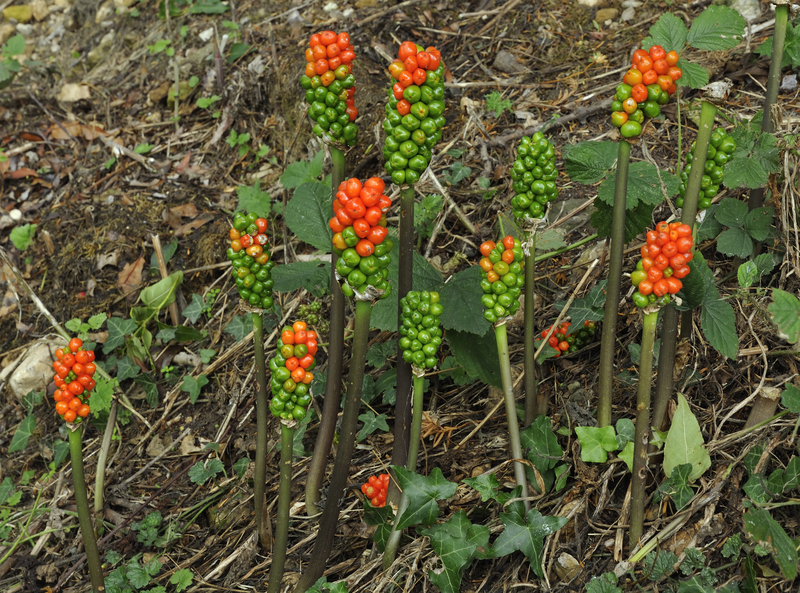
A Greener Tomorrow: Embracing Vertical Gardening in Everyday Life
As the world moves swiftly toward urbanization, prioritizing green spaces is a shared responsibility. Vertical gardens for a greener tomorrow offer a scalable, effective, and aesthetically appealing path toward sustainability and resilience. Whether you cultivate a small herb wall at home or advocate for green facades on city buildings, you are contributing to cleaner air, cooler cities, enhanced biodiversity, and improved human well-being.
By embracing vertical gardening solutions, we can transform blank walls into thriving ecosystems, provide accessible fresh food, and promote healthier, happier communities--laying the foundation for a brighter, greener future.
Conclusion: Start Your Vertical Garden Journey Today
The adoption of vertical gardening practices is more than a trend--it's a forward-thinking response to global environmental challenges. From mitigating pollution and climate change to supporting mental health and community engagement, the benefits are immense and enduring.
If you are passionate about creating a greener tomorrow, consider installing a vertical garden in your living or working space. With modern designs, sustainable practices, and a wide array of plant options, anyone can join the vertical gardening movement. Start today, and be part of reshaping the future--one green wall at a time.
Latest Posts
Steps to Building a Garden Where Children Can Explore
9 Essential Gardening Tips for Beginners to Grow with Confidence
Designing Gardens That Dogs Will Love