 020 3744 3778
Steps to Building a Garden Where Children Can Explore
Posted on 30/09/2025
Steps to Building a Garden Where Children Can Explore
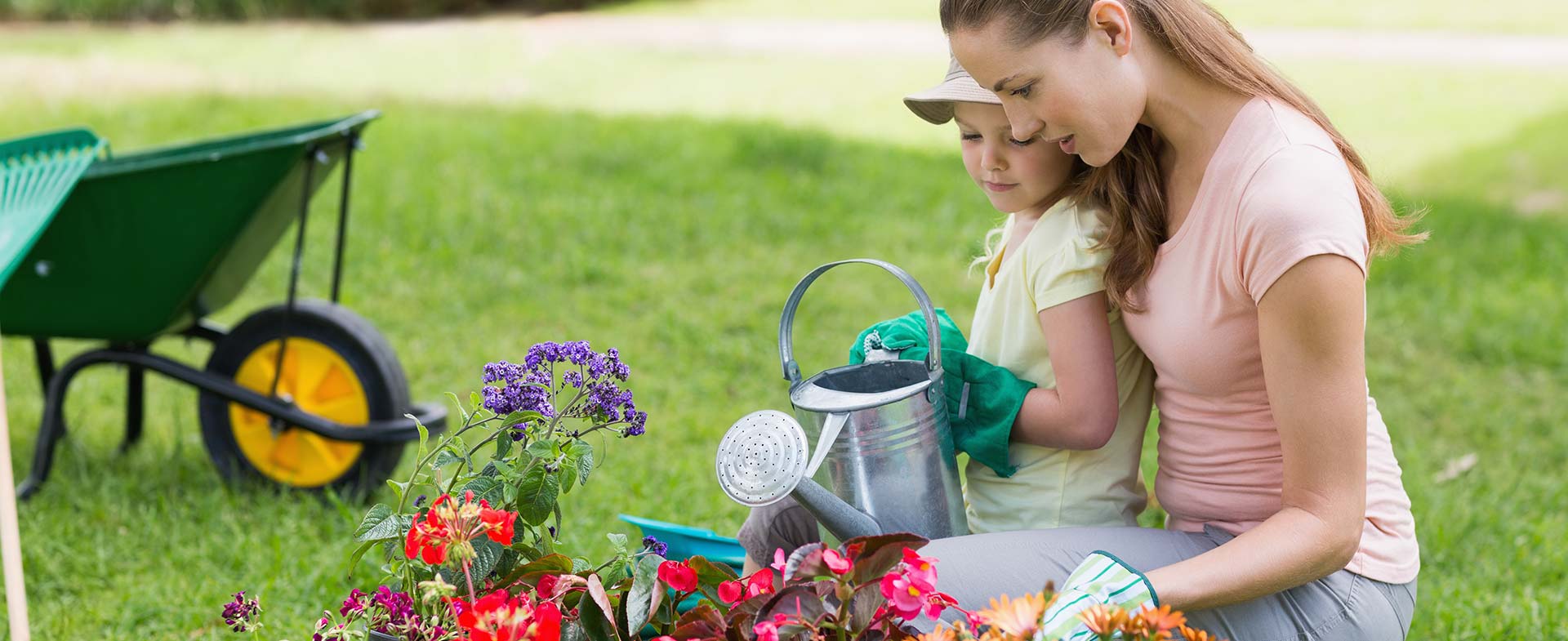
Creating a garden where children can explore is a rewarding project that combines outdoor fun, education, and family bonding. Whether you have a backyard, a small plot, or only a balcony, you can design an exploration garden that inspires curiosity and wonder for young adventurers. In this comprehensive guide, we will discuss the essential steps to building a garden for children--from planning to planting, design ideas, and safety considerations.
Why Build a Child-Friendly Exploration Garden?
A garden designed for exploration and play has numerous benefits for kids:
- Encourages physical activity: Children move, dig, and interact with their environment.
- Supports sensory development: Different textures, scents, colors, and tastes stimulate their senses.
- Fosters creativity and imagination: Unstructured, natural spaces inspire imaginative play.
- Teaches responsibility: Caring for plants and creatures builds empathy and care.
- Improves mental well-being: Time spent outdoors reduces stress and boosts mood.
Step 1: Assess Your Garden Space
Before designing a children's exploration garden, examine the available area. Whether it's a large yard, a raised bed, or a few pots on a patio, every space has potential. Consider the following:
- Sunlight Exposure: Does the space get full sun, partial sun, or shade? This affects plant choices.
- Safety Hazards: Look for and remove any sharp objects, toxic plants, or trip hazards.
- Size and Layout: Measure the area to decide what features you can safely include.
Taking stock of these elements helps lay the foundation for a safe and inviting exploration garden for kids.
Step 2: Involve Children in the Planning
One of the most important steps in building a garden where children can explore is involving them in the process. Ask questions like:
- What plants or colors do you like?
- Would you like a space to dig, a fairy house, or a bug hotel?
- Do you want to grow snacks like strawberries or cherry tomatoes?
Children's input will give them a sense of ownership and boost their excitement to explore the garden they've helped create!
Step 3: Design the Exploration Garden Layout
Visualize the layout of your children's exploration garden. Think about the dreams and interests of your kids:
- Paths and Trails: Curving paths offer a sense of discovery - use stepping stones, wood chips, or grass.
- Zones: Divide the area into themes such as sensory beds, wildlife corners, or vegetable patches.
- Features and Structures: Sand pits, water tables, mud kitchens, and climbing logs invite hours of exploration.
- Hiding Spaces: Willow dens, bean teepees, or sunflower forts provide cozy nooks for hide-and-seek.
Sketch your design on paper to visualize how all these elements and the main path will connect--remember, a winding path is more exciting for kids to explore!
Step 4: Select Safe and Interesting Plants
Choosing the right plants for a children's exploration garden is critical. Opt for a variety that is non-toxic, resilient, and offers varied sensory experiences:
- Scented Plants: Lavender, mint, thyme, and rosemary are aromatic and inviting.
- Edible Plants: Cherry tomatoes, strawberries, peas, and nasturtiums for safe snacking.
- Textured Foliage: Lamb's ear, ornamental grasses, and sunflowers for tactile exploration.
- Flowering Plants: Marigolds, calendula, and cosmos bring color and attract pollinators.
- Native Species: Support wildlife and are generally easier to maintain.
*Always check that your chosen plants are safe and non-allergenic for children and pets. Never plant foxgloves, oleander, or other common poisonous species in a kid's garden.*
Step 5: Create Areas for Sensory and Interactive Play
Stimulating all five senses is key to an exploration garden for children. Here are some creative ideas:
- Touch: Paths or squares with different surfaces like smooth stones, tree bark, and soft moss.
- Taste: A mini herb or vegetable patch for picking and tasting under supervision.
- Smell: Clusters of fragrant flowers and herbs in easily reachable beds.
- Sound: Wind chimes, rustling grasses, and a shallow bird bath or fountain.
- Sight: Brightly colored flowers, garden art, or painted stepping stones.
Interactive areas like digging pits, fairy trails, or mini labyrinths add magic and invite open-ended play.
Step 6: Incorporate Educational Elements
Gardens are natural classrooms. To make your garden exciting for children to explore and learn, consider:
- Labels with plant names and fun facts.
- Bug hotels and bee houses to attract pollinators.
- Bird feeders, butterfly puddling spots, or small ponds for observing wildlife.
- Weather stations or sundials to introduce scientific concepts.
Use these features to spark curiosity about nature, science, and the environment.
Step 7: Build or Install Garden Features
Many exploration garden features for children can be DIY projects:
- Raised beds for easy access to planting and harvesting.
- Mud kitchens made from old pallets and recycled materials.
- Stepping stone paths using painted rocks, tiles, or wood slices.
- Fairy or gnome houses from twigs, moss, and pinecones.
- Small wigwams or tents for imaginative play and shade.
*You don't need a big budget--just some creativity and upcycled materials can create an exciting place for children to explore in your garden.*
Step 8: Make It Safe and Accessible
The most important step in building a garden for kids to explore is ensuring safety:
- Supervision: Always supervise young children in the garden.
- Fencing: Install fencing if needed to keep children in and pets or wildlife out.
- Pathways: Ensure paths are even and non-slip.
- Water safety: Cover ponds or water features, and never leave standing water unsupervised.
- Toxin-free products: Use organic and child-safe gardening supplies.
- Tool safety: Choose age-appropriate, child-sized tools.
*Accessibility is also essential. Raised beds, wide paths, and clear signage help children of all ages and abilities enjoy the garden.*
Step 9: Encourage Wildlife and Biodiversity
A lively exploration garden for children teems with birds, butterflies, and bugs. Tips to encourage nature:
- Plant native flowers and shrubs to attract pollinators.
- Install birdhouses, bat boxes, or bee hotels.
- Leave small "wild" areas with logs, stones, and leaf piles for insects and amphibians.
- A shallow water dish or birdbath for wildlife drinking and bathing.
Seeing and identifying wildlife is a fascinating way for children to explore the living world.
Step 10: Maintain and Celebrate Your Children's Garden
An active exploration garden needs regular care and joyful engagement:
- Involve your children in daily garden care--watering, weeding, and harvesting.
- Celebrate seasons by planting bulbs in fall, harvesting pumpkins in October, or holding spring seed-planting days.
- Host "garden parties" to show off their hard work to friends and family.
- Encourage children to start a garden journal or draw pictures of what they discover.
*These activities foster a lifelong love of nature and exploration!*
Creative Ideas to Make Your Garden Even More Exciting
- Theme gardens: Pirate ship sandpits, dinosaur fossil digs, or enchanted fairy trails.
- Chalkboard walls: For drawing, games, and labeling plants.
- Colorful garden art: Painted rocks, DIY wind spinners, or upcycled sculptures.
- Music areas: Hang up metal lids, bamboo chimes, or xylophones for outdoor concerts.
Let your imagination and your child's creativity guide the garden's personality!
Top 5 Plants Safe for Children's Exploration Gardens
- Sunflowers: Tall, visually striking, and great for pollinators.
- Snapdragons: Fun to "snap" and non-toxic.
- Sugar snap peas: Easy and tasty to eat fresh off the vine.
- Mint: Fragrant, robust, and safe (but can spread rapidly).
- Lamb's Ear: Soft, touchable leaves perfect for sensory play.

Additional Tips for Building a Garden for Children to Explore
- Start small--add more features as your child's interests grow.
- Change with the seasons--offer year-round interest with bulbs, perennials, and evergreens.
- Go organic--skip chemical fertilizers and pesticides.
- Rotate crops and features--keep things fresh and exciting each year.
- Encourage messy play--gardening is about exploration, not perfection!
Conclusion: Growing Happy Explorers in Your Garden
Building a garden where children can explore is more than a landscaping project--it's about planting the seeds of curiosity, adventure, and stewardship for the environment. By following these steps to creating a children's exploration garden, you'll cultivate a magical space where young minds and hearts can grow.
Whether you're working with a sprawling backyard or just a few pots on the patio, you can design a child-friendly exploration garden tailored to your family's needs and imagination. Remember: safety first, variety for sensory play, and plenty of opportunities for discovery. With love, patience, and a dose of creativity, your child's garden will become their favorite playground and a lasting source of learning and joy!
Start Your Children's Garden Adventure Today
Gather your little explorers, get your hands dirty, and watch as your garden--and your child's curiosity--bloom. With these practical steps to building a garden for children to explore, you're on your way to creating a world of outdoor wonder at home.
```Latest Posts
Steps to Building a Garden Where Children Can Explore
9 Essential Gardening Tips for Beginners to Grow with Confidence
Designing Gardens That Dogs Will Love