 020 3744 3778
How Your Garden Can Save the Planet from Climate Change
Posted on 22/08/2025
How Your Garden Can Save the Planet from Climate Change
Climate change is one of the most significant challenges facing our world today. While the scale of the issue may feel overwhelming, every individual has the power to make a difference. Your garden--no matter how big or small--can be a powerful tool in saving the planet. This comprehensive guide will explore how transforming your garden into an eco-friendly sanctuary contributes directly to the fight against climate change, helps mitigate global warming, and supports biodiversity for a better future.
Understanding the Link Between Gardens and Climate Change
Gardening is more than just a relaxing pastime; it's a key contributor to environmental sustainability. Taking conscious steps in your outdoor space can have a positive ripple effect on the environment. Here's how gardens impact the planet and how you can leverage yours to combat climate change:
- Carbon Sequestration: Plants absorb CO2 from the atmosphere and store carbon in their tissues and in the soil, reducing greenhouse gas concentrations.
- Improving Air Quality: Vegetation acts as a natural air filter, trapping dust, pollutants, and particulates.
- Urban Heat Island Mitigation: Green spaces cool cities by providing shade and releasing moisture.
- Biodiversity Support: Gardens provide food and habitat for insects, birds, and other wildlife.
- Food Production: Growing your own food reduces the need for long-distance transportation and chemical inputs.
These benefits showcase why gardening for climate change is one of the best small-scale solutions available to individuals.

How Your Garden Fights Climate Change
Let's delve into specific strategies and practices you can implement. Adopting even a few of these techniques ensures that your garden becomes a climate hero.
1. Planting Trees and Shrubs for Carbon Capture
Trees are the Earth's lungs. Through the process of photosynthesis, they absorb carbon dioxide and release oxygen. By integrating more trees and shrubs into your green space, your garden will sequester significant amounts of carbon over the years.
- Choose Native Species: Native trees, such as oaks, maples, or fruit trees, adapt better to local climates and support local wildlife.
- Layering Plants: Combine trees, shrubs, and groundcovers to create dense, carbon-absorbing landscapes.
Tip: An average mature tree stores about 22 kilograms of CO2 per year. Planting a small grove can make a significant difference over time.
2. Creating a Climate-Friendly Lawn
Traditional lawns are resource-heavy and contribute minimally to climate solutions. Replace or reduce grassy areas with climate-resilient plants, or create a meadow garden approach.
- Grow Clover or Wildflowers: These require less mowing and watering, and their deep roots sequester more carbon.
- No-Mow Areas: Allow strategic patches to grow wild, providing both carbon storage and habitats for pollinators.
3. Improving Soil Health for Greater Carbon Storage
Soil is a chief carbon sink. Healthy soil stores more carbon, reduces erosion, and supports abundant plant growth.
- Add Organic Matter: Compost, leaf mulch, and green manures enrich soil carbon content.
- No-Till Methods: Avoid frequent digging to protect soil carbon stores and beneficial microbe communities.
- Cover Crops: These protect bare soil, fix nitrogen, and build organic matter.
Did you know? Each teaspoon of rich garden soil contains more living organisms than there are people on Earth.
4. Water Conservation Supports a Healthier Climate
Water scarcity is exacerbated by climate change, making water-wise gardening essential.
- Collect Rainwater: Install rain barrels to irrigate plants.
- Drip Irrigation: Water roots directly, minimizing evaporation and runoff.
- Mulch: Mulching beds retains soil moisture and suppresses weeds.
Conserving water in your garden reduces demand on municipal supplies and lessens the energy used for water treatment and transportation.
5. Supporting Pollinators and Biodiversity
Climate change disrupts the habitats and food sources of essential species. Gardens can serve as critical refuges for them.
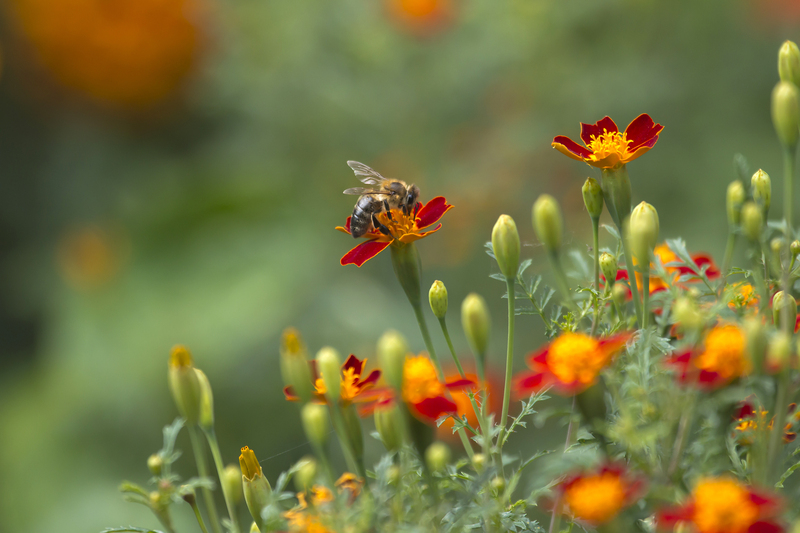
- Plant Pollinator-Friendly Flowers: Choose a variety of shapes and bloom times for bees, butterflies, and birds.
- Create Mini Habitats: Establish log piles, ponds, or insect hotels to shelter wildlife.
- Avoid Pesticides: Promote a healthy, natural ecosystem by using biological controls or organic solutions.
Sustainable Gardening Practices to Maximize Impact
To ensure that your garden truly helps fight global warming, practice sustainability in all aspects of its management.
1. Composting Reduces Landfill Waste
Organic waste sent to landfills decomposes anaerobically, producing methane--a potent greenhouse gas. Composting at home transforms food scraps and garden clippings into nutrient-rich soil while keeping emissions low.
- Kitchen Waste: Compost vegetable peels, eggshells, coffee grounds, and teabags.
- Yard Clippings: Use grass cuttings, leaves, and small branches.
- Avoid: Adding animal products or diseased plants to the compost heap.
2. Grow Your Own Food to Lower Your Carbon Footprint
Producing fruits and vegetables at home means less reliance on supermarket produce, which is often grown using fossil fuel-intensive fertilizers and shipped over long distances. Even a small vegetable patch or a few containers on a balcony help minimize your carbon impact.
- Focus on High-Impact Crops: Tomatoes, salad greens, beans, and herbs are easy to grow and reduce packaging waste.
- Rotate Crops: Prevents soil depletion and reduces the likelihood of plant diseases.
Did you know? The average meal in the U.S. travels approximately 1,500 miles from farm to plate. Homegrown food eliminates these 'food miles,' making your meals truly climate-smart!
3. Choose Eco-Friendly Garden Products and Tools
Swap out energy-intensive or chemically-laden gardening inputs for sustainable alternatives:
- Use Manual Tools: Rakes and push mowers, instead of gas-powered versions, lower fossil fuel emissions.
- Select Organic Fertilizers: Promote soil health and avoid runoff pollution of waterways.
- Buy Local Plants: Reduces the transportation emissions associated with plant shipping.
Landscaping Techniques That Save the Planet
Landscaping isn't just about beauty; it can be a strategic ally in the fight against climate change. Here are proven strategies:
1. Planting Windbreaks and Shade Trees
- Windbreaks: Strategic tree planting on the windward side of your property can dramatically reduce home heating costs by blocking cold winter winds.
- Shade Trees: Leafy canopies near buildings lower summertime cooling needs, reducing your personal carbon footprint even further.
2. Swales and Rain Gardens
These garden features capture and absorb runoff, helping prevent erosion and flooding while replenishing groundwater.
- Native Grasses and Wildflowers: Ideal for rain gardens, as they thrive in both wet and dry cycles.
- Permeable Pathways: Design walkways using gravel, mulch, or permeable pavers so rainwater sinks into the soil instead of running off into sewers.
Educating and Inspiring Your Community
Your climate-friendly garden can be a beacon of inspiration for neighbors and friends. Sharing your journey multiplies your impact.
- Host Garden Tours: Show how you've implemented eco-friendly changes, and encourage others to replicate them.
- Swap Seeds and Plants: Build local biodiversity and reduce overall resource use.
- Start a Gardening Group: Collaborate on community garden projects for larger-scale climate action.
The Broader Impact: Why Every Garden Matters
Imagine if every household turned their yard or balcony into a garden for the climate. The cumulative effects would be enormous:
- Re-Greening Cities: More urban greenery means lower temperatures, cleaner air, and flood prevention.
- Restoring Pollinator Networks: Connected corridors of gardens allow bees and butterflies to thrive despite urban sprawl.
- Local Food Security: Increased homegrown produce buffers against supply chain disruptions and reduces hunger.
- Global Carbon Reduction: Billions of new trees and plants worldwide could collectively sequester gigatons of atmospheric carbon.
Frequently Asked Questions: How Gardens Help Fight Climate Change
Q1: Can a small garden really make a difference against global warming?
Absolutely! Every garden counts. Even a single potted plant captures carbon, supports pollinators, and contributes to local cooling. When multiplied across millions of households, small changes have a tremendous impact.
Q2: What if I have limited space or live in an apartment?
You can still create a garden! Balcony and container gardening are effective. Grow herbs, succulents, or small vegetables. Hanging plants and vertical gardens maximize space and provide similar environmental benefits.
Q3: Are certain plants better for climate mitigation?
Native trees, deep-rooted perennials, and fruit-bearing shrubs offer maximal carbon storage and wildlife support. Choose species adapted to your local climate for best results.
Q4: How do I maintain a climate-friendly garden year-round?
Practice seasonal gardening--mulch in winter, plant cover crops in fall, compost year-round, and keep blooms for pollinators throughout spring and summer.
Start Your Climate-Smart Garden Today
The climate crisis demands action, but hope is growing--literally--in backyards, parks, and balconies around the world. Each tree planted, every square foot of soil restored, and every pollinator flowered strengthens our planet's resilience.
You have the tools and knowledge to use your garden as a powerful weapon in the fight against climate change. Whether it's sequestering carbon, saving water, supporting wildlife, or feeding your family sustainably, your contribution is vital.
Together, our gardens can grow a cooler, greener, and more hopeful tomorrow. Start your journey today--your garden really can save the planet from climate change!
Latest Posts
Steps to Building a Garden Where Children Can Explore
9 Essential Gardening Tips for Beginners to Grow with Confidence
Designing Gardens That Dogs Will Love